

Cultural Significance of Brightly Colored Custom Gifts in Brazil
Brazil is a country that does not do “neutral” when it comes to celebration. From Carnival parades to New Year’s Eve on Copacabana Beach, color is the language of joy, faith, identity, and hope. When you choose a brightly colored custom gift for someone in Brazil, you are not just picking a pretty object. You are entering a rich visual vocabulary that says something very specific about how you see that relationship.
As an artful gifting specialist focused on handcrafted and personalized pieces, I see this every time a Brazilian recipient reacts to a gift. The brightness of the wrapping, the shade of a ribbon, the hue of a gemstone or printed name – all of it is read as a message. Research on Brazilian holidays and etiquette, from sources such as GiftBook by GiftBasketsOverseas, Cultural Atlas, and Brazilian gift-customs guides, confirms what artisans and gifters already feel: in Brazil, color and customization are inseparable from the emotional impact of a present.
This article explores why brightly colored, personalized gifts carry such weight in Brazilian culture, how different colors are understood, and how to design custom pieces that feel both vibrant and respectful across romantic, family, and corporate occasions.
Why Color Matters So Deeply In Brazilian Gifts
A culture where color is everywhere
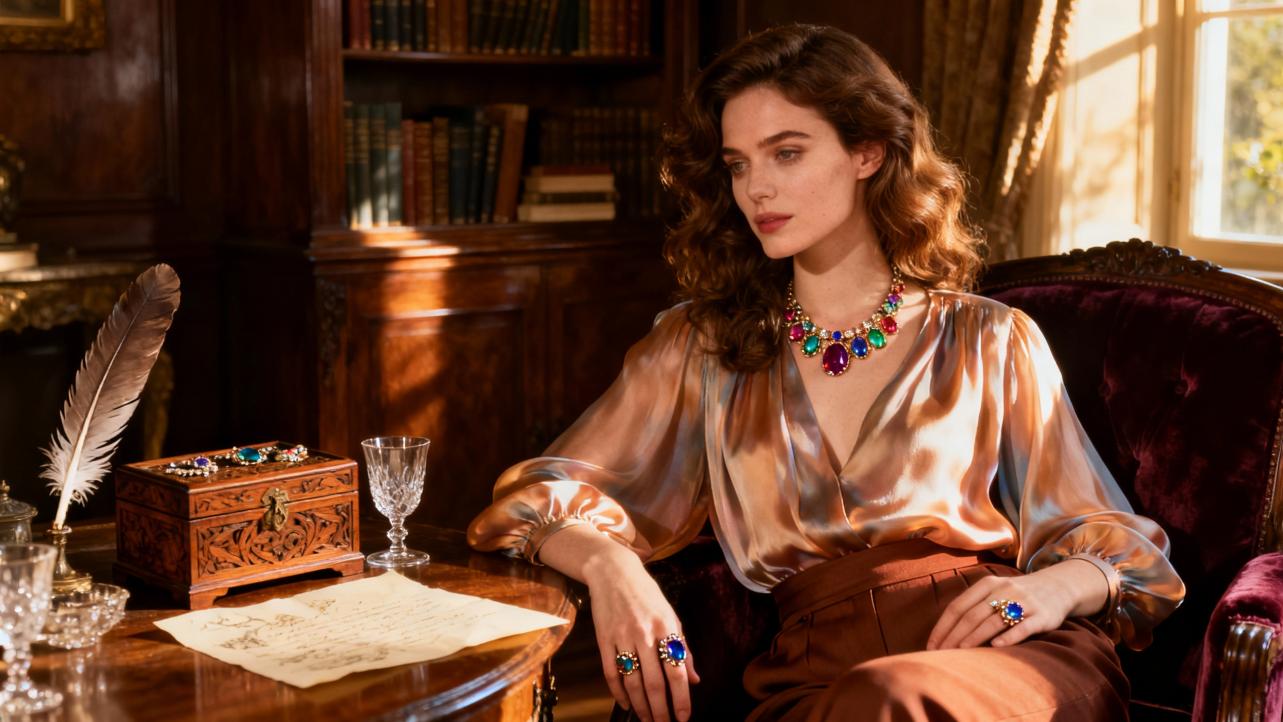
Writers for Ganoksin’s jewelry journal describe Brazil as one of the world’s great “gemological provinces,” overflowing with colored emeralds, amethyst, citrine, agates, tourmalines, aquamarine, imperial topaz, and quartz. Brazilian designers combine these stones in jewelry that is deliberately extravagant, joyous, and full of motion. Color is not an accent; it is the main character.
The same holds true in daily life and in street culture. Carnival, as described in GiftBook’s overview of Brazilian holidays, is a five-day explosion of samba music, glittering costumes, and multicolor floats that draws millions of people into the streets. The goal is not subtle beauty, but an almost overwhelming expression of life, movement, and sensuality.
African heritage deepens this relationship with color. Connect Brazil’s feature on African culture in Salvador, Bahia, shows how Afro-Brazilian traditions use specific colors to honor orixás (spirits) in Candomblé. Bonfim ribbons, tied around wrists and church railings for good luck, are sold in vivid shades that each correspond to a spiritual force. Color here is not decoration; it is a code.
Even Brazil’s craft markets are forests of pigments. Research on Brazilian handicrafts highlights bright ceramics, painted woodcarvings, colorful embroidery, and basketry woven from natural fibers. Local markets like Salvador’s Mercado Modelo, which Connect Brazil calls the center of Bahian craftwork, are packed with lace, textiles, musical instruments, and jewelry in saturated tones.
When your gift joins this landscape, it is being compared with a lifetime of visual richness. That is why thoughtful color choice matters so much.
Color symbolism in Brazilian gifting
Several sources shed light on how specific colors are read in Brazilian gifts, especially GiftBook’s New Year traditions guide, Cultural Atlas’s etiquette notes, Connect Brazil’s explanation of Bonfim ribbons, and cross-cultural gifting research.
Here is a concise summary of commonly referenced colors and their emotional “messages” in Brazilian contexts.
Color or palette |
Common symbolism in Brazil |
Best suited for |
Be careful or avoid when |
White |
Peace, spiritual cleansing, new beginnings; New Year’s Eve tradition is to wear white on the beach |
New Year gifts, spiritual or wellness themes, minimalist personalized pieces, sympathy flowers (white only) |
Can feel too stark if not softened with another color in joyful settings |
Yellow |
Wealth, prosperity, optimism; also tied to the national palette |
Gifts wishing prosperity, business-themed custom items, sunny kitchen or home décor |
Items dominated by green and yellow together can feel overly nationalistic or tacky according to some etiquette guides |
Green |
Health, growth, nature, good luck; one of the country’s national colors |
Nature-inspired handmade gifts, eco-friendly personalized items, “good luck” presents for new jobs or homes |
Deep green with yellow for business gifts may need a subtle hand |
Blue (light) |
Harmony, calm; associated with sea goddess Iemanjá in Afro-Brazilian faiths |
Soothing personalized pieces, gifts for ocean lovers, spiritual or reflective gifts |
Avoid using sacred imagery casually without understanding religious context |
Blue (dark) |
Strength, protection, pathways (linked with the orixá Ogum) |
Gifts marking transitions, achievements, travel, or protectiveness |
Same religious sensitivity as above; avoid trivializing sacred symbols |
Red and pink |
Love, passion, romance; core colors for Dia dos Namorados bouquets and roses |
Romantic gifts, couple’s keepsakes, anniversary pieces, custom jewelry |
Red roses in particular can signal strong romantic intent; not ideal for strictly professional gifts |
Orange |
Good luck in business, energetic ambition |
Entrepreneur gifts, career milestones, custom office accessories |
Too much orange can feel loud; anchor it with white or neutral tones |
Purple |
Associated with Easter in liturgy, but in everyday gifting often tied to mourning and funerals |
Very specific religious contexts where purple is expected, reflective artwork |
Avoid purple items or wrapping for birthdays, romance, or happy occasions; etiquette guides flag it as a mourning color |
Black and brown |
Colors of mourning and funerals in many Brazilian and Latin American sources |
Somber sympathy gifts where dark flowers are explicitly appropriate |
Avoid black- or brown-dominant gifts and wrapping for any celebratory occasion |
You do not need to turn every gift into a complex chromatic ritual. But when you are designing a brightly colored custom piece for a Brazilian recipient, aligning the main color with the sentiment is an easy way to show care and cultural awareness.

Personalized Gifts In Brazil: A Growing Market With Deep Emotional Roots
What counts as a personalized or custom gift?
Market studies focused on Brazil’s personalized gifts segment describe a category that is both modern and deeply sentimental. Bonafide Research and other analysts define personalized gifts as items tailored to the individual through names, initials, dates, photos, or motifs that reflect personal taste. In Brazil this includes:
Custom non-photo gifts. Monogrammed towels, engraved jewelry, custom stationery, and home décor that often incorporates Brazilian motifs, regional patterns, or religious symbols. These tend to appeal to corporate buyers and older demographics who value elegance and function.
Photo-based personalized gifts. Printed mugs, calendars, framed photos, and other formats that preserve family memories. Research notes that these shine at Christmas, Mother’s Day, and other family occasions.
Artisanal and handmade personalization. Here, Brazilian handicrafts research adds another layer. Artisans personalize ceramics, woodcarvings, embroidery, basketry, leatherwork, and jewelry using color patterns, initials, or custom motifs. These pieces are not generic souvenirs; they carry the maker’s identity and the recipient’s story at once.
In all of these, bright color is often the canvas on which that personalization sits, whether it is lettering on a vivid mug, stitching on a textile, or gemstone choices in a ring.
Why custom gifts are booming in Brazil
Several market reports focused on Brazil’s personalized gifts sector converge on the same trend: steady, robust growth. Analyses from Bonafide Research and Actual Market Research forecast more than eight and a half percent compound annual growth between the mid‑2020s and 2029, with total spend in the low billions of dollars toward the end of the decade. A broader global study that breaks out a Brazil snapshot estimates the country’s personalized gifts and cards market at several billion dollars by around 2028 with roughly seven percent annual growth.
The reasons echo what gift-givers feel on the ground.
Brazil has a very strong gifting culture. GiftBook’s overview of holidays in Brazil shows how many dates involve presents: New Year, Carnival, Easter, Dia dos Namorados, Children’s Day, Christmas, birthdays, anniversaries, housewarmings, and more. Gifting is part of social glue, both personally and in business.
Consumers want uniqueness and emotional connection. Personalized gifts are described as carrying “high sentimental and social value,” particularly for younger Brazilians who see them as reflections of their own and their loved ones’ identities.
Digital and social media make customization easier. Research notes that online marketplaces and mobile commerce, along with improved digital printing and engraving technologies, have made vibrant, custom gifts more accessible even outside major cities.
Sustainability is becoming a differentiator. Analysts point out that eco-conscious Brazilian consumers are increasingly drawn to reusable, ethically sourced, and handcrafted personalized items – a perfect match for local artisans working in natural materials and vivid colors.
In other words, brightly colored custom gifts are not a niche indulgence in Brazil. They sit at the intersection of a long-standing love of color, a busy “commercial calendar” of occasions, and a modern desire to tell personal stories through objects.
Brightly Colored Custom Gifts Across Brazilian Holidays And Life Moments
New Year on Copacabana: white, with meaningful flashes of color
New Year’s Eve in Brazil, especially on Rio de Janeiro’s Copacabana Beach, is one of the clearest examples of how color and symbolism shape celebrations. GiftBook reports that more than two million people gather there each year to watch fireworks, make ocean offerings, and welcome the new year.
The tradition is to wear white, symbolizing peace, and then layer accent colors that represent specific wishes:
Orange for luck in business, blue for harmony, yellow for wealth, red or pink for love, and green for health.
Many revelers also join the festival of the sea goddess Iemanjá by throwing white flowers and candles into the water.
When you design a New Year gift for a Brazilian recipient, especially if they love these beach rituals, it makes sense to echo this palette. Think of a custom white journal edged with yellow and green for someone launching a project, a personalized white linen table runner embroidered with small red hearts for a couple hoping for love, or a scented candle set wrapped in white with blue ribbons for harmony and calm.
The pros of leaning into this symbolism are strong: you show that you understand local traditions and that you are not just giving a generic “Happy New Year” gift. The only caution is to keep the base feeling clean and hopeful; heavy dark colors or purple wrapping fight against the spirit of the date.
Carnival: maximalist color and playful personalization
GiftBook’s Carnival overview calls it one of the most spectacular and colorful festivals on the planet, with samba rhythms, lavish costumes, and nonstop dancing for five days between February and March. Connect Brazil notes that in Salvador, trio elétrico sound trucks and samba-reggae drum schools turn entire neighborhoods into moving seas of rhythm and color.
In this context, brightly colored custom gifts can be as bold as you dare. Personalized ideas that fit the spirit include:
Hand-painted masks or headpieces inspired by samba school designs, customized with the recipient’s name or a favorite phrase.
Color-drenched jewelry using Brazilian gemstones, reflecting the Ganoksin description of local designers’ “cocktails of color.”
Custom percussion items, such as small drums or shakers with hand-painted patterns referencing specific neighborhoods or samba schools.
The advantage of going bright and playful for Carnival is that it is difficult to be “too much” for this occasion. The challenge is durability and respect: pieces should be well-made enough to survive the party and, if they reference Afro-Brazilian religious symbols, they should treat them as living traditions rather than exotic motifs.
Dia dos Namorados: red roses, golden mornings, and personalized romance
Brazil does not celebrate Valentine’s Day on February 14 because it usually collides with Carnival. Instead, romance gets its own date: Dia dos Namorados on June 12. GiftBook explains that it honors Saint Anthony, whose feast day is June 13 and who is associated with blessing marriages.
Couples exchange chocolates, red flower bouquets, especially red roses, and go out for dinners very similar to Valentine’s Day customs elsewhere. A charming local twist is the breakfast gift basket: a beautifully arranged hamper of breads, fruits, coffee, and treats, often decorated with fresh flowers.
Brightly colored custom gifts for Dia dos Namorados almost always lean on red and pink. Personalized ideas that align with local patterns include custom ceramic mugs or plates featuring hand-painted hearts and the couple’s names; engraved jewelry set with warm-toned Brazilian stones like citrine or morganite; or a wicker breakfast basket lined with a custom printed cloth in deep reds and sunrise oranges.
The strength of using bold romance colors here is obvious: Brazilian recipients recognize these signals instantly. The downside is that such colors can raise questions in cross-gender relationships that are not romantic, particularly in corporate settings. Business etiquette sources recommend that when a married man gives a gift to a woman, he should clarify that it is from both him and his spouse, and romantic color palettes should be used carefully outside clear romantic contexts.
Children’s Day and family celebrations: rainbow joy with meaning
October 12 is a unique date in Brazil, combining the religious celebration of Nossa Senhora Aparecida, the patron saint of Brazil, with Children’s Day. GiftBook recounts the story of fishermen discovering a small statue of the Virgin Mary, leading to a major pilgrimage site and a sense of miracles associated with the date. At the same time, adults dedicate the day to making children feel loved, often with chocolate, candy, and gifts.
For children, bright colors are almost universally positive in Brazil. Cultural etiquette sources note that bringing a small gift when visiting a home, especially something for the children, is appreciated. Custom, colorful pieces that work beautifully here include personalized storybooks illustrated with Brazilian landscapes, embroidered name banners for bedrooms in a mix of cheerful colors, or custom-painted toy boxes featuring local animals and plants.
The main caution is to avoid purple- or black-dominant items, which are strongly associated with mourning in several gifting guides, and to keep any religious imagery respectful if you reference Nossa Senhora Aparecida.
Birthdays, housewarmings, and informal gatherings
Birthday celebrations in Brazil are often similar to those in the United States, according to GiftBook, with cakes, gatherings, and a wide range of possible gifts. There are few rigid rules, but there are a few color and symbolism notes that come up repeatedly:
Avoid black and purple for happy occasions, and avoid carnations, which are strongly linked to condolences.
Bright-colored wrapping, especially in yellow and green, is seen as joyful and patriotic by many etiquette sources, though some guides caution against gifts that are too dominated by green and yellow in formal business settings.
Thoughtful, modest gifts – from handmade items to small electronics or premium chocolates – are appreciated more for meaning than for monetary value.
For housewarmings and informal barbecues, bright custom gifts that celebrate shared experience work especially well: engraved cutting boards using Brazilian woods, personalized ceramic tiles depicting local flora, or embroidered kitchen textiles in bold colors.

Color, Craft, And Identity: Handcrafted Gifts That Feel Like Brazil
Brazilian handicrafts as living color stories
A recent overview of Brazilian handicrafts emphasizes how closely local artisanal work is tied to the country’s cultural and ecological diversity. Artisans work with wood, clay, straw, textiles, leather, metals, seeds, shells, and feathers to create items that are both functional and decorative.
Ceramics become brightly painted figurines and plates. Woodcarvings become sculptural art pieces or religious icons. Embroidery adds bursts of color to clothing, linens, and household items. Basketry weaves palm fronds and straw into patterns that echo landscapes and indigenous traditions.
When you commission or curate a personalized gift from this world, you are not just choosing an object in a color; you are carrying an entire region’s story. A handwoven basket from Bahia in a particular mix of greens and yellows may evoke forests and the flag at once. A piece of embroidered linen in purple and white might be intended for Easter rather than a birthday.
By working closely with artisans and asking about local color meanings, you can turn a custom gift into a respectful bridge between your intentions and the recipient’s cultural context.
Afro-Brazilian heritage and sacred colors
Connect Brazil’s exploration of Salvador, Bahia, offers a particularly rich case study. It describes how Bonfim ribbons are tied around wrists or the basilica railing with three knots and three wishes, and how each ribbon color has a relationship to a specific orixá: light blue for Iemanjá, dark blue for Ogum, yellow for Oxum, green for Oxóssi, white for Oxalá, purple for Nanã, red for Iansã, and so on.
Statues of orixás sold in local markets may look like souvenirs, but they are sacred religious items, labeled as “religious antiques” and treated with deep respect by adherents of Candomblé and related faiths.
For a sentimental curator, the lesson is twofold.
First, bright colors in Salvador are often deeply spiritual. A bracelet or printed cloth in a particular color might be understood as invoking a specific spiritual force.
Second, when you design or select custom gifts that nod to Afro-Brazilian culture, respect the line between inspiration and appropriation. It is beautiful to use Bonfim-style ribbons in color palettes that align with a recipient’s wishes. It is less appropriate to replicate sacred icons carelessly without understanding their meaning.
Practical Design Tips For Brightly Colored Custom Gifts In Brazil
Choosing colors intentionally
Given the rich symbolism summarized earlier, a simple but powerful design habit is to phrase color choices as questions.
What main wish am I sending with this gift? If it is peace and fresh starts, white with accents is a better base than red. If it is prosperity, lean into yellow and gold tones rather than pale pastels.
What is the relationship context? Romantic gifts can embrace reds and pinks. Corporate gifts, according to Brazilian business gift guides and international corporate gift research, should be more neutral or use color sparingly to avoid being misread as either overly personal or promotional.
What is the religious or emotional context? For All Soul’s Day, which GiftBook identifies as a day for visiting graves and bringing flowers, yellow or white floral arrangements and white orchids are appropriate. For Christmas, which falls during Brazil’s summer, brighter palettes feel natural, but purple and black remain tied to mourning in many minds.
When in doubt, combine a safe base – white, soft beige, or a natural material – with a single strong accent color that matches your primary intention.
Balancing personalization and etiquette
Cultural Atlas and Brazilian gift customs guides offer several etiquette insights that matter for custom gifts.
Wrapping matters. Bright, cheerful wrapping is welcome; purple and black paper or ribbons are best avoided for happy events because they evoke funerals. Yellow and green wrapping, echoing the national colors, can be positive when used tastefully.
Avoid “cutting” symbols. Sharp objects such as knives and scissors are widely seen in Brazilian and regional etiquette research as symbols of cutting relationships. Even in a beautiful bright color, a custom engraved knife sent as a gift can send the wrong signal.
Mind intimacy in business gifts. Corporate gifting articles focused on Brazil emphasize that gifts should be high-quality but not overly personal. Personal-care items, perfume, or very intimate accessories can feel too close for many business relationships. Personalized corporate gifts work best when they focus on tasteful logos, discreet monograms, or shared values (such as sustainability or regional crafts) rather than on the recipient’s body.
Use brightness to celebrate, not to dominate. Research on Brazilian business etiquette notes that gifts should support, not overshadow, the relationship. A brightly colored artisanal notebook with subtle customization often feels more elegant than a huge neon-colored promotional item.
Pros and cons of going bold with color
Brightly colored custom gifts are powerful tools in Brazil, but like any powerful tool, they come with trade-offs. The following summary synthesizes findings from cultural, market, and etiquette sources.
Aspect |
Benefits of bright custom gifts |
Potential drawbacks |
Emotional impact |
Stand out visually, feel joyful, and align with Brazil’s love of vivid celebration |
Can feel overwhelming or childish if overdone for very formal or somber settings |
Cultural resonance |
Allow you to encode wishes and respect local color symbolism; show you “get” the culture |
Misreading a color (such as using purple for a birthday) can unintentionally evoke mourning |
Personalization |
Enhance the sense that the gift was made “just for them,” especially when color matches the recipient’s taste and goals |
Highly personal designs or romantic color palettes can be misinterpreted in professional relationships |
Support for artisans |
Bright handcrafted pieces draw attention to Brazilian craftsmanship and sustainable materials, which market research notes many consumers appreciate |
Artisanal work often costs more and takes longer; rushed orders may push you toward generic printed items instead |
Brand and corporate use |
Custom color combinations can express brand values while honoring local aesthetics, supporting relationship-focused business culture |
Over-branded or flag-colored gifts risk feeling like advertising or nationalism rather than sincere appreciation |
As a sentimental curator, your aim is not to avoid bold color, but to use it like a seasoned painter: with intention, respect, and just enough restraint to let the meaning shine through.

Corporate And International Gifting: Using Brazilian Color Wisely From Afar
Business culture reports on Brazil, including analyses of corporate gift-giving, agree on one core principle: relationships come before deals. Gifts are one way to honor those relationships, especially around major holidays such as Christmas, New Year, and Carnival.
Thoughtful, modestly priced corporate gifts like gourmet baskets, quality wines, and handcrafted items are generally welcomed. Personalized touches – a handwritten note in Portuguese, a color choice that reflects a client’s city or favorite team, or a custom illustration of a shared project – send a strong message of care.
A few pragmatic notes emerge from the research.
Timing matters. Business gifts are better given after a relationship is established, and ideally at social occasions rather than during formal first meetings.
Subtle is safer with brand colors. Corporate-gifting consultants warn against heavy-handed use of corporate logos or national palettes. In Brazil, items dominated by green and yellow can feel kitschy. Instead, consider a neutral handcrafted base with a small, tasteful brand accent.
Logistics and cost can be serious constraints. Reports on importing merchandise into Brazil emphasize the high burden of taxes and regulatory checks, which can push total landed cost to more than half again the product value. When you are sending gifts from abroad, this is another argument for fewer, higher-quality, culturally tuned items rather than large volumes of generic branded swag.
In all of this, brightly colored customization remains an asset. A handcrafted notebook wrapped in sunny yellow paper, with the recipient’s initials debossed on the cover, can do more for a relationship than a box of expensive, colorless gadgets.

FAQ: Brightly Colored Custom Gifts For Brazil
Is it really that important to avoid purple in Brazilian gifts?
Most etiquette and cross-cultural gifting sources flag purple, along with black and sometimes brown, as tied to mourning and funerals in Brazil. There are liturgical exceptions: for example, purple is prominent in some Easter church settings, and GiftBook notes that purple is used in Easter street decorations. For everyday birthdays, anniversaries, and romantic or corporate gifts, it is safer to avoid purple as the dominant color and reserve it for contexts where you know it is expected.
Are Brazil’s national colors safe for custom gifts?
Green and yellow are proudly associated with Brazil’s flag and national identity, and bright yellow and green wrapping is often perceived positively, especially in personal contexts. However, at least one etiquette guide suggests avoiding items completely dominated by green and yellow in business gifts, as they can feel too loud or opportunistic. If you want to honor Brazilian pride, a subtle touch – such as a small green and yellow ribbon or a discreet motif – is usually better than an entire object in flag colors.
What is a safe color palette for a corporate gift in Brazil?
For business gifts, think of a base of white, cream, or natural materials, with restrained accents in blue, green, or soft yellow. These colors signal harmony, health, and prosperity without tipping into romance or mourning. Brighter pops can appear in wrapping or interior details. Combine this with personalization that focuses on names, initials, or shared projects rather than on intimate themes.
How personal can a personalized gift be?
Brazilian culture is warm and expressive, and personal gifts are common among friends and family. In business, though, corporate-gifting research recommends care. Engraved tech accessories, monogrammed notebooks, or custom home-office décor are generally appropriate. Fragrances, very romantic color palettes, or body-adjacent items can feel too intimate unless you know the relationship well and local norms support it. When in doubt, prioritize quality, craftsmanship, and cultural fit over extreme personalization.
Brightly colored custom gifts in Brazil are much more than pretty things. They are mini-celebrations of history, faith, family, and future hopes, all condensed into a palette, a material, and a name. When you choose your colors with the same care you put into your craftsmanship, you turn a simple present into a heartfelt conversation in the language Brazilians know best: the language of joyful, meaningful color.

References
- http://www.giftypedia.com/Brazil_Gift_Giving_Customs
- https://www.innopackgifts.com/?p=51954
- https://www.actualmarketresearch.com/product/brazil-personalized-gift-market
- https://culturalatlas.sbs.com.au/brazilian-culture/brazilian-culture-etiquette
- https://www.connectbrazil.com/african-culture-in-brazil/
- https://www.giftafeeling.com/pages/gift-giving-statistics-2025?srsltid=AfmBOoopp--mN0a7z9QAfH3jbQQNQi9Mspkm-M305Dvjf79xCuLlR7xH
- https://blog.giftbasketsoverseas.com/blogs/holiday-traditions-in-brazil
- https://my.nzte.govt.nz/article/business-culture-in-brazil
- https://kiricard.com/how-different-cultures-approach-gift-giving/
- https://www.lemon8-app.com/@tyiauniaharris99/7547462517530886670?region=us
