

The True Cost of Eco-Friendly Handmade Gifts (And Why They’re Worth It)
Summary: Eco-friendly handmade gifts and sustainable packaging often cost a bit more upfront, but that extra few dollars usually cover fair wages, safer materials, and a lifetime of meaning rather than a moment of convenience.
What You’re Really Paying For In A Sustainable Gift
When you choose a handcrafted, eco-conscious gift, you’re not just buying an object – you’re supporting an entire story.
Ecological economists and pricing research from Sustainability Directory and MDPI point out that greener products “internalize” costs that cheap goods quietly push onto the planet and communities. That can include cleaner materials, lower pollution, safer production, and ethical labor.
For a small maker, that might mean:
- Paying living wages instead of rock-bottom factory rates.
- Choosing organic textiles, FSC-certified wood, or recycled metals instead of the cheapest option.
- Producing in small batches, not in massive, waste-heavy runs.
Studies cited in PubMed and other journals show many people are willing to pay roughly 5–10% more for eco-friendly goods, but that willingness drops when the premium gets too high. As a gifting specialist, I see this play out at holiday markets all the time: people happily invest a bit extra when they can feel the difference in story, quality, and care.

Packaging With A Conscience: From Box To Bow
The way a gift arrives matters almost as much as the gift itself.
Packaging experts at Meyers and Levapack estimate packaging can easily be around 10% of a product’s retail price, sometimes more for specialty items. Sustainable options – recycled cardboard, compostable mailers, plastic-free fillers – can cost a few cents more per piece than plastic or foam, as Meyers and Bioleader note.
That small bump usually covers:
- Renewable or recycled fibers instead of virgin plastic.
- Safer inks and adhesives.
- Thoughtful design that uses less material overall.
Yet the “true cost” is bigger than unit price. Packsize and Restaurantware point out that lighter, right-sized boxes can lower shipping costs and reduce waste fees, making eco packaging competitive over time.
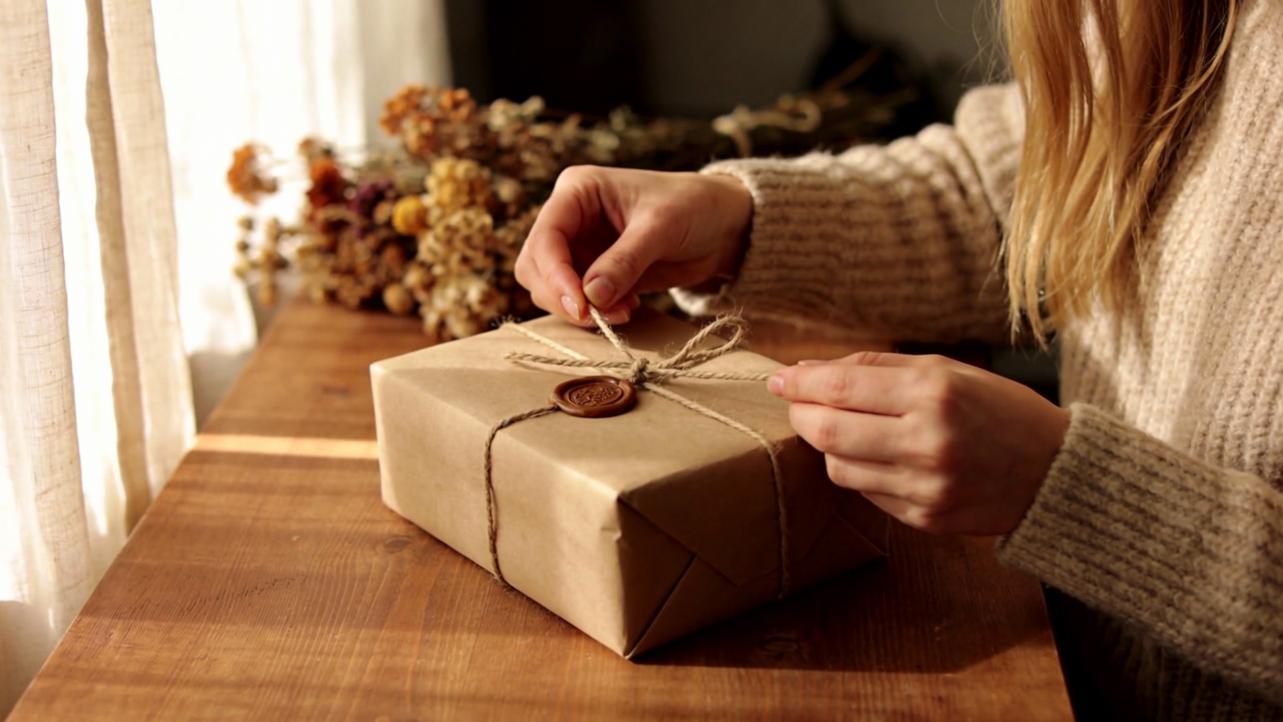
As a sentimental curator, I love using a simple kraft box, a strip of fabric ribbon, and a hand-written note. It feels intimate and keeps almost everything reusable, recyclable, or compostable – a small ceremony of care, not clutter.
(Nuance: some guides stress eco-packaging is more expensive, others show that smart design and lighter materials can actually save money over the life of a product; the difference often lies in scale and how efficiently materials are used.)

The Hidden Savings Of “Less, But Better”
Sustainability Directory and Plastic Free Pursuit both encourage reframing green purchases as long-term investments, not impulse buys.
Think about a hand-poured candle in a reusable jar, or a wood-handled brush that lasts for years. The upfront price might be higher than a mass-produced alternative, but the cost per use drops dramatically when something genuinely lasts.
Seagoing Green and Ecotribo note another kind of savings: emotional and environmental. Durable, reusable gifts mean:
- Less waste heading to landfills after every birthday or holiday.
- Fewer “meh” items that live in the back of a closet.
- More daily reminders of the person who chose that gift for you.
In other words, you’re trading volume for value – fewer things, deeper meaning.

How To Choose Eco-Friendly Handmade Gifts On Any Budget
You don’t need a luxury budget to give in a sustainable, soulful way. A few guiding ideas:
- Choose one small, special piece: A hand-stamped keychain, tiny artwork, or custom-engraved spoon can feel more precious than a big box of forgettable items.
- Shop local and seasonal: Buying from nearby artisans reduces shipping impact and often gives you a chance to hear the maker’s story directly.
- Let experiences lead: A handwritten “certificate” for a picnic, class, or day trip paired with a tiny handmade token cuts clutter and builds memories.
- Upcycle with intention: A vintage frame around a printed poem, or a jar you’ve painted and filled with favorite recipes, keeps materials in use and makes the gift unmistakably personal.
- Wrap thoughtfully: Use fabric wraps, saved tissue paper, or recycled kraft paper with a sprig of greenery instead of shiny plastic bows.
Research from Deloitte shows cost is the biggest barrier to “buying green,” but when we pair eco-consciousness with creativity and sentiment, the premium feels less like a surcharge and more like a love note – to the recipient, to the maker, and to the world we share.

References
- https://pmc.ncbi.nlm.nih.gov/articles/PMC6427680/
- https://pubsonline.informs.org/do/10.1287/LYTX.2024.04.03/full/
- https://www.seagoinggreen.org/blog/2023/11/15/gifts-that-give-back-the-rise-of-eco-friendly-presents
- https://www.biofutureadditives.com/blog/sustainable-packaging-vs-regular-cost-analysis
- https://www.bioleaderpack.com/eco-tableware-vs-traditional-plastic-a-true-cost-analysis-for-2025/
