

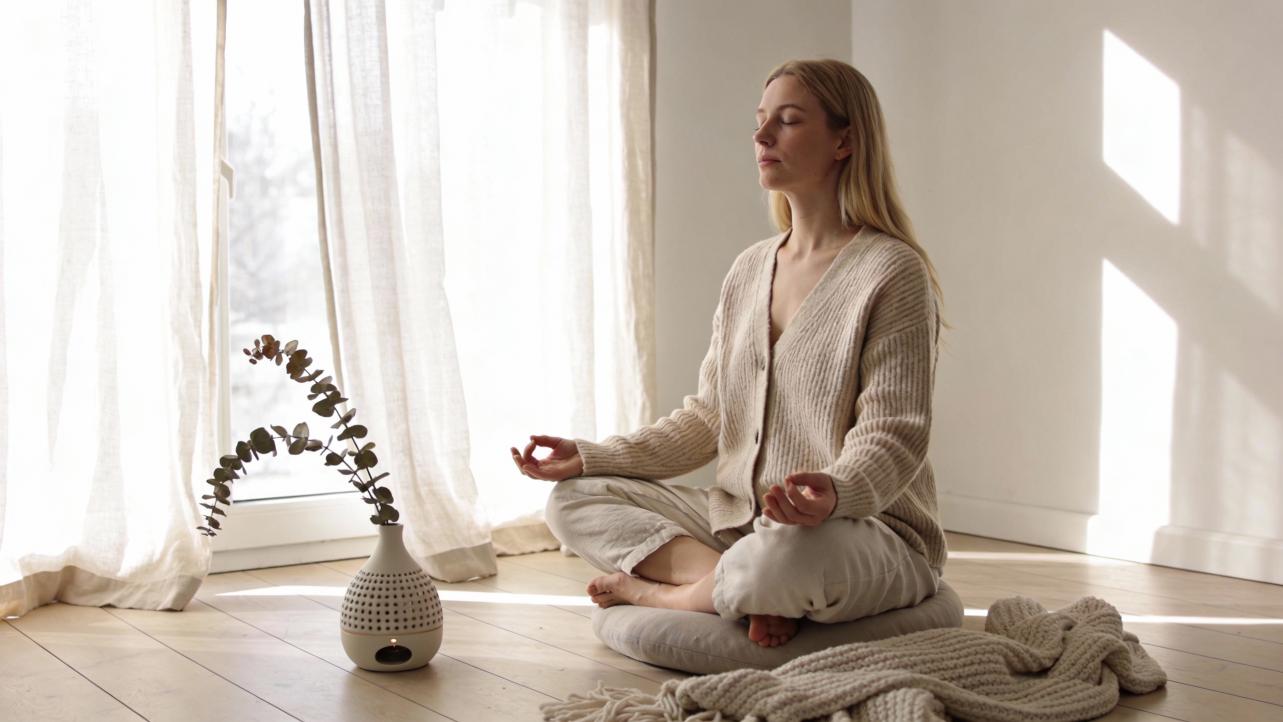
Why Yoga Instructors Prefer Custom Meditation Mats Over T‑Shirts
When a yoga teacher chooses a gift or branded piece for their community, they are not just picking merch. They are choosing what will hold their students’ bodies, stories, and daily rituals. As someone who spends most days helping studios and teachers design heartfelt, artisanal gifts, I have noticed a clear pattern: once instructors experience custom meditation mats, the classic branded T‑shirt rarely feels like “enough” anymore.
Custom mats become part of every breath in class. T‑shirts, even the softest ones, tend to live at the edge of practice rather than in the heart of it. In this article, I will walk you through why so many yoga instructors are moving away from apparel and toward customized meditation mats and cushions, and how you can choose or design a mat that truly reflects your teaching and your values.
From Wearable Swag To Sacred Surface
In many studios, the first branded item is a shirt: a logo across the chest, maybe a mantra on the back. It is easy to order in bulk and simple to size. But teachers quickly discover a limitation. A T‑shirt rarely transforms how a student actually feels in class. It may inspire a smile in the mirror, yet it does not cushion knees in a long sit or steady a hand in Downward Dog.
Custom meditation mats and cushions, by contrast, change the lived experience of practice. Brands like DharmaCrafts, which has been making meditation cushions and mats in Massachusetts since 1979, highlight how a zafu and zabuton setup supports upright posture, protects knees and ankles, and makes longer, deeper meditation possible. Bean Products explains that a zafu lifts the hips for a natural spinal curve while the zabuton pads knees and ankles on hard floors, dramatically improving comfort over time.
When you print your studio’s mandala, mantra, or alignment lines on the very surface that holds every pose, your “merch” becomes a daily companion rather than an occasional outfit. It is the difference between wearing your logo and literally grounding your students on it.

What Custom Meditation Mats Actually Are
Functional Equipment First, Art Piece Second
Custom meditation mats are not just pretty. As Dalm Co describes, a personalized mat is both functional gear and visual reminder: names, mantras, or photos turn a standard mat into a motivating ritual object. Everlighten adds that truly custom mats are tailor-made for preferences such as material, thickness, grip, and dimensions, not just generic mats with a logo slapped on.
At a practical level, custom meditation mats can mean different things depending on your teaching style:
- A traditional yoga mat, customized with mantras, alignment lines, or mandalas.
- A cork or rubber mandala mat where the pattern itself is used as a focal point for meditation.
- A meditation set that combines a zafu cushion with a zabuton mat, sometimes color-coordinated for a cohesive teaching space, as seen in sets from DharmaCrafts or the zafu–zabuton bundles on Amazon.
In all these cases, the “custom” element is layered onto proven ergonomic foundations. Guided Meditation Framework’s overview of meditation furniture emphasizes that comfort and posture support are essential to deeper meditative states. The mat or cushion must work first as a tool for alignment and joint protection before it becomes a canvas for artistry.
Material, Thickness, and Grip Matter More Than Slogan
When instructors talk about mats with me, they rarely start with logos. They begin with feel.
Custom-mat guides from Everlighten, Dalm Co, Mowin, and Yune Yoga all converge on the same core factors: material, thickness, and grip.
Natural rubber has excellent traction and a grounded feel, making it a favorite for dynamic classes. Dalm Co notes that natural rubber offers high grip and firm support, ideal for Vinyasa or Ashtanga, while Blululi reports that rubber and cork surfaces can outperform PVC on traction and even rate some mandala mats around eight to nine out of ten for surface friction.
TPE (thermoplastic elastomer) is lighter and cushier, which Everlighten and Dalm Co describe as ideal for beginners, restorative practices, or sensitive joints. Thickness around 0.16–0.20 in tends to balance comfort and stability, while Everlighten points out that thicker custom mats closer to about 0.24 in or more support people who want extra joint cushioning.
Cork is naturally antimicrobial and, according to Dalm Co and Blululi, becomes grippier with sweat, making cork mandala mats especially beloved for hot classes and seated meditation. Brands like Gaiam and Blululi pair cork surfaces with natural rubber bases and report that these mats absorb notably more sweat than standard synthetics.
When teachers design custom mats, they are choosing how their students’ hands and hearts will feel in every single class. A T‑shirt cannot change the friction under a trembling plank or the ease of a twenty-minute sit. A mat can.

Emotional Connection: Mats Turn Class Into Ritual
Yoga is as much about emotional safety as physical alignment. Custom meditation mats tap into that tenderness in ways that apparel rarely matches.
Personalized mat articles from Dalm Co, Everlighten, Yune Yoga, and The Merch List all highlight the psychological impact of stepping onto a space that feels uniquely yours. A name at the top edge, a favorite mantra along the center, or a landscape photo that evokes a beloved place turns the mat into what Dalm Co calls a private sacred space. This is especially powerful in shared studios where students roll out mats in close proximity.
Blululi’s exploration of mandala mats goes even further, citing reports that patterned mandala mats can lengthen meditation time by about 28%, improve concentration by roughly 37%, and reduce cortisol levels by close to 19%. If your students typically sit for 15 minutes, that 28% boost could translate into around four extra minutes of quiet presence, simply because the visual design supports focus and calm. Blululi also notes that certain colors, like blue, are associated with calm, while gold tones can heighten a sense of spiritual connection.
Now imagine your studio’s custom mandala, printed thoughtfully with alignment markers, at the center of that experience. Instead of a logo across the chest, your brand becomes a focal point for drishti, a visual anchor that literally guides students into stillness.
T‑shirts can be sentimental mementos. Mats become living altars.

Practical Advantages Over T‑Shirts In Everyday Teaching
Comfort and Alignment That Directly Shape the Class
Comfort is not vanity in yoga; it is a prerequisite for safe, sustainable practice. Custom mats allow teachers to fine-tune comfort in ways apparel cannot touch.
Guided Meditation Framework emphasizes that ergonomic chairs, cushions, and mats let practitioners sit longer with correct alignment and thus reach deeper states. Bean Products explains how a zafu–zabuton combination improves posture and reduces strain on hips and knees, while meditation benches and bolsters provide tailored support. DharmaCrafts describes modular support cushions that let practitioners customize their setup for their body type.
When instructors invest in custom meditation mats or mat–cushion sets, they are gifting their community more comfortable time on the floor. For example, pairing a custom-printed zafu with a branded zabuton, like the light-pink set listed on Amazon, offers students consistent hip elevation and knee protection anchored visually in your studio’s colors or emblem.
Compare this with a T‑shirt. It might be cozy, but it does not make Lotus Pose less demanding or reduce pressure on ankles in a kneeling meditation bench posture. From a purely functional standpoint, the mat reshapes practice; the shirt does not.
Hygiene and Personal Space in Shared Studios
Custom mats also solve a quiet but important problem for group classes: hygiene and boundaries.
Everlighten and Dalm Co both highlight that having a dedicated, personal mat creates a hygienic barrier from the studio floor, which can be especially reassuring in busy urban studios. Dalm Co describes the feeling of a clean, private space that motivates regular practice and makes students more eager to show up.
When the mat is custom—printed with the studio name, a cohort year, or the teacher’s mantra—it feels more like “mine.” That sense of ownership naturally encourages regular cleaning and respectful handling. Teachers can reinforce this by choosing mats with removable, washable covers (as seen in some zafu–zabuton sets) or closed-cell, easy-to-wipe surfaces.
A T‑shirt, even a branded one, might pass from studio to street to sleepwear. It does not create a defined, hygienic boundary for practice. The mat does, and it does so right where students need it most: under their hands, knees, and hearts.
Custom Mats as Quiet Teaching Aids
Custom printing turns mats into subtle, always-available teaching assistants.
The Merch List and Dalm Co both note that alignment markers printed onto mats help with hand and foot placement, stability, and long-term injury prevention. Lines tailored to specific proportions can guide students into safer Warrior stances, more balanced triangles, and centered seated postures without constant verbal correction. Blululi’s mandala mats, with radial symmetry and alignment cues, are used to support drishti and posture in both dynamic flows and seated meditation.
For instructors, this means a custom mat can show, not just tell. A fine gold line down the center invites students to find their midline. Radial mandala points can mark where to set heels or knees. Over time, students internalize these cues and carry them into other spaces.
T‑shirts can carry slogans about alignment. Mats can literally draw it.

Branding, Business, and The Long-Term Relationship
Being Seen In Every Pose, Not Just On The Street
Custom mats are powerful branding tools precisely because they are used in the most intimate moments of your students’ week.
Everlighten describes how custom mats allow instructors and studios to create a cohesive visual identity through colors, patterns, and logos. Yune Yoga and Mowin both emphasize that material, texture, and design can be aligned with a brand’s values, whether that means minimalist monochrome, playful nature prints, or bold cosmic themes. The Merch List notes that custom designs often spark conversation and connection in class, acting as subtle, supportive marketing while remaining authentic and personal.
Unlike T‑shirts, which compete with countless other tops in a student’s closet, a beloved mat is rarely swapped out for class. It becomes the trusty companion; your logo or mantra is present in every Sun Salutation and every final rest. For teachers who also host online offerings, a consistent mat design in videos doubles as a recognizable visual touchpoint.
Longevity, Value Perception, and Sustainability
From a gifting and merchandising perspective, instructors often ask about value: will students feel a custom mat is “worth it” compared with a shirt?
The good news is that mats readily signal higher perceived value. The global yoga mat market, according to Dalm Co, is around $16.0 billion and projected to reach $24.2 billion by 2033, driven largely by demand for mats that match individual performance and aesthetic preferences. That growth reflects the reality many of us see in studios: practitioners are willing to invest in a mat that truly supports their body and practice.
Several examples from Blululi and other sources highlight mid- to premium-level custom and mandala mats in the roughly $55–95 range, with features such as quick-dry technology, antimicrobial treatments, eco-conscious materials, and long-term durability guarantees. When such a mat is customized for a teacher training graduation or a studio’s anniversary, it feels like an heirloom, not a throwaway.
T‑shirts, by nature, have a shorter aesthetic lifespan. Colors fade, necklines stretch, and even treasured shirts eventually become sleepwear. Mats, especially those built with natural rubber, cork, or hemp as seen in brands like Gaiam, HempOrganicLife, and eco-focused cushion makers featured in The Good Trade, can serve daily for years with simple care routines such as mild soap, air drying, and avoiding prolonged direct sun.
For instructors with strong sustainability values, materials matter. Articles from Bean Products, HempOrganicLife, Complete Unity Yoga, and The Good Trade repeatedly recommend natural fibers and fillings such as organic cotton, hemp, jute, and buckwheat hulls for cushions and mats. These plant-based options are renewable and often biodegradable, aligning with a yogic emphasis on ahimsa and mindful consumption.
Here is a simple way to see the difference in how these two gift types live in your students’ world.
Aspect |
Custom Meditation Mat or Set |
Branded T‑Shirt |
Role in practice |
Directly affects comfort, alignment, hygiene, and focus in every class |
Worn or not; practice experience stays the same |
Emotional association |
Becomes a personal ritual space and visual focal point |
Feels like general apparel with sentimental logo |
Lifespan in yoga context |
Often used for years as primary practice surface with proper care |
May rotate out of “yoga wear” as styles wear down |
Sustainability potential |
Can be made from cork, natural rubber, hemp, organic cotton, buckwheat fillings |
Typically synthetic blends or conventional cotton |
Teaching support |
Can include custom alignment lines and mandalas for in-class guidance |
Limited to printed words or imagery |
When instructors weigh these aspects, it becomes clear why mats feel like an investment in the practice itself, whereas T‑shirts feel like an accessory around it.
Choosing The Right Custom Meditation Mat For Your Teaching Style
As an artful gifting specialist, my favorite work is helping teachers turn their teaching philosophy into something you can quite literally sit on. The research from Everlighten, Dalm Co, Yune Yoga, Mowin, Blululi, and others suggests a few key questions to consider as you design or select custom meditation mats.
First, think about your primary practice style. For dynamic flows, natural rubber or grippy TPE in the standard 68–72 in length often works beautifully. Dalm Co and Everlighten both suggest rubber for superior grip and durability, while TPE is ideal if you want a lighter mat for commuting teachers. For meditative or restorative classes, Blululi and Bean Products recommend slightly thicker mats around 0.20 in and up, possibly paired with zafus, zabutons, or bolsters to support longer seated or lying practices.
Second, align materials with your ethical values. If sustainability is central to your message, explore cork–rubber hybrids, hemp-based mats, or meditation cushions filled with organic buckwheat hulls, as highlighted by HempOrganicLife, Complete Unity Yoga, and several brands profiled by The Good Trade. Your students who care about eco-conscious living will feel that integrity each time they unroll their mat.
Third, design for emotional resonance rather than pure decoration. The Merch List and Yune Yoga emphasize starting from intention: calm, courage, playfulness, or focus. From there, choose colors and symbols that support that mood. Blue and earth tones for calm; gold mandala accents for spiritual connection; nature motifs for grounding; or geometric lines for clean, contemporary clarity. Dalm Co and The Merch List also remind us to ensure the design remains balanced rather than distracting, especially when students are in inversion or lying on the mat.
Finally, consider logistics. Brands like Liforme note that fully custom mats can take around four to six weeks with standard production or as few as seven to ten business days with premium express options. If your mats are for a retreat, teacher training graduation, or holiday gift, build in that lead time.
When T‑Shirts Still Make Sense (And How Mats Complement Them)
There is still a place for T‑shirts in a yoga community. They can be wonderful for outreach events, charity fundraisers, or as a low-commitment introduction to a new logo. Students might love wearing the studio name while running errands or at the gym, which spreads awareness beyond your four walls.
The key insight from countless studio owners, though, is that shirts are best when they complement a deeper, practice-centered gift rather than replace it. For a teacher training cohort, a soft shirt might be the fun, casual token, while an artisan-made custom mandala mat is the item that will hold every future class they teach. For a retreat, a T‑shirt may be the souvenir; the mat is the portable sanctuary they bring home.
In other words, apparel speaks to the world. Custom meditation mats speak directly to the soul of the practice.
Brief FAQ: Custom Meditation Mats For Yoga Teachers
Q: Are custom meditation mats worth the higher upfront cost compared with T‑shirts?
Instructors who choose mats are essentially investing in teaching tools, not just branding. Sources like Guided Meditation Framework, Bean Products, and DharmaCrafts all emphasize that better cushioning and alignment support allow students to sit and move more comfortably for longer periods. When a mat improves every single class for years, teachers often feel the value far surpasses that of apparel that may rotate out of use quickly.
Q: What if my community is mixed—some do vigorous flows, others mostly meditate?
You can bridge both worlds with versatile designs. Everlighten describes custom mats that balance thickness and grip so they work for both flows and stillness. You can also pair a standard custom yoga mat with a small branded zafu or half-moon cushion, as seen in products from Bean Products and Complete Unity Yoga, so students can create a mini meditation setup when needed.
Q: I want something artisanal and handmade. Is that possible with custom mats?
Absolutely. Many of the brands highlighted by The Good Trade, HempOrganicLife, and similar sources focus on handcrafting cushions and mats from natural fibers like hemp, jute, and organic cotton, often filled with buckwheat hulls. Combining these artisanal bases with carefully chosen custom printing or embroidery allows you to offer gifts that feel both handcrafted and deeply personal.
Custom meditation mats ask a tender question of every student who unrolls them: “Are you ready to arrive?” For yoga instructors who see their role as holding sacred, transformative space, that question matters far more than whether someone is wearing the studio name on their chest. When you place your art, your values, and your care onto the very surface that supports each breath, your gift stops being merchandise and becomes a trusted companion on the path.

References
- https://blog.dalm.co/personalized-yoga-mats
- https://www.personalizationmall.com/Personalized-Yoga-Mats-d2028.dept?srsltid=AfmBOoq6_smuSKXQ4_p9UlesOII3RZm4w_mTEU_1SC7MouT-m_OjVMxe
- https://www.scoriaworld.com/?srsltid=AfmBOopintQ9IQCU6kWSJ5Syr8BTeyWmiSG3AepyG_Qgi5D4nBj5Z6ha
- https://www.amazon.com/yoga-mat-personalized/s?k=yoga+mat+personalized
- https://asivanayoga.com/collections/meditation-cushions?srsltid=AfmBOopyYMlqnuKbz5MtSb2jnTaJsOt6JgLLijRDQ0ewQAFUmG6GkDpm
- https://beanproducts.com/collections/meditation?page=2&srsltid=AfmBOorzpnKq74rK3EDfFKjT7lqLZxIQQZVm2MpTOKp6j_370Skg7sQR
- https://dharmacrafts.com/collections/cushions-and-benches?srsltid=AfmBOopyMzlgjgWjKze6ACnjfHuBFwYnFJdE8oNT2CosA3iyP7ymaB4c
- https://www.etsy.com/market/meditation_mat
- https://guidedmeditationframework.com/blog/best-meditation-chairs-pillows-and-tools
- https://hemporganiclife.com/collections/hemp-for-yoga-and-meditations?srsltid=AfmBOorDSR314CNskQYwETqll4VZ5ZsNOgSQ7d1eLBzrkVd1c5FMLzt4
