

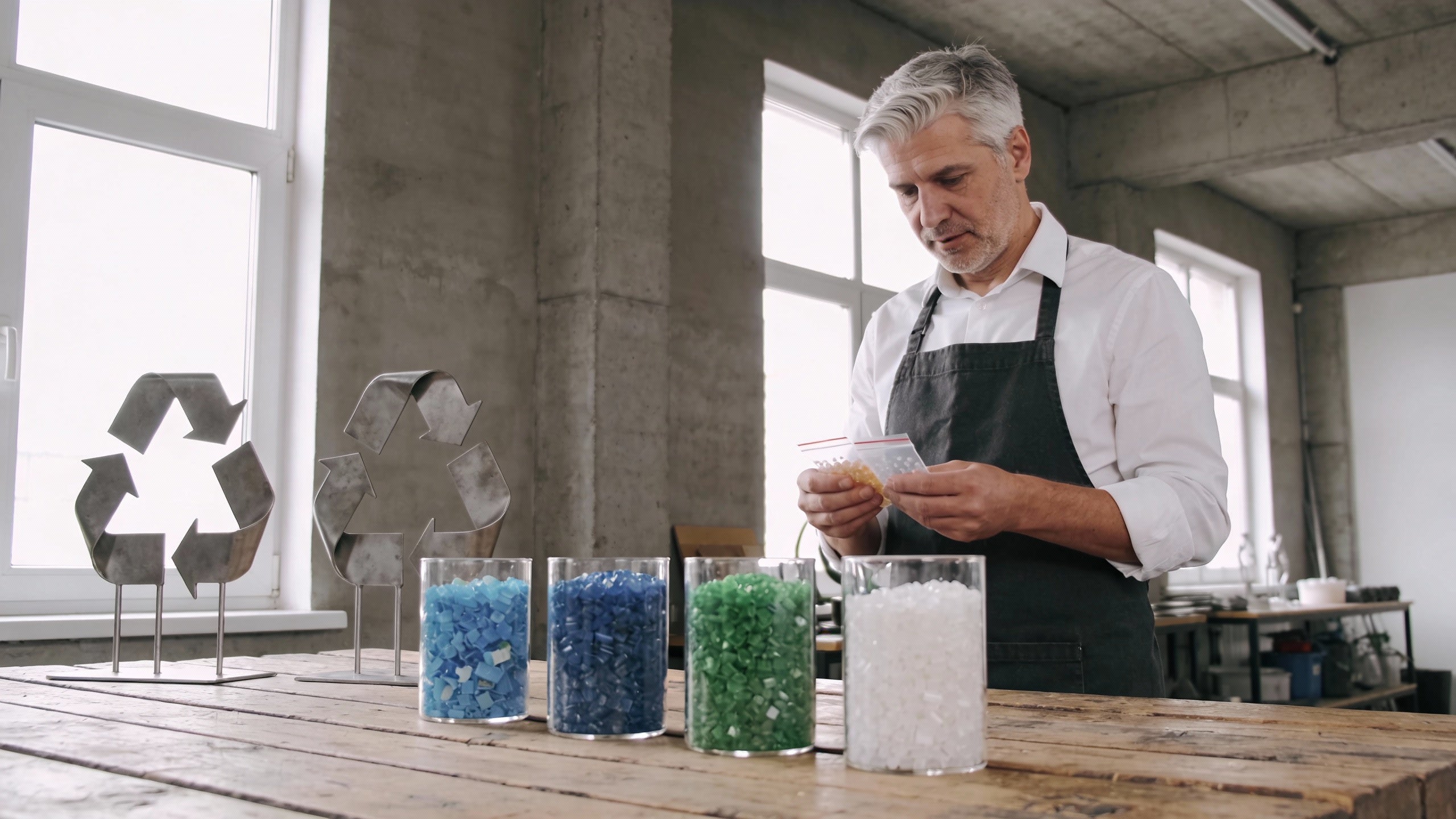
Understanding the Quality of Recycled Plastic vs Virgin Materials
Summary: Recycled plastic can be beautifully strong and reliable for many handmade gifts, but its quality depends on the source, how it’s processed, and where you use it—so the secret is pairing the right recycled resin with the right kind of heirloom-worthy piece.
Recycled vs Virgin: What “Quality” Really Means
When you’re choosing materials for a keepsake, “quality” is more than just how something looks. It’s strength, durability, safety, and how well it holds its shape and color over time.
Virgin plastic is made from new fossil-based feedstocks, so its recipe is tightly controlled and very consistent. That’s why it’s long been the default for crystal-clear packaging, food-safe containers, and technical parts.
Recycled plastic, often called post-consumer recycled (PCR) or RPET (for recycled PET), is made from items like used bottles and containers. According to Green Paper Products, RPET can be reused multiple times without major loss of integrity and is often just as strong and heat-resistant as conventional plastic. Custom Profiles notes that PCR resins still deliver the core performance we love—durability, weather resistance, and light weight—even in demanding applications.
Specialty recycled plastics can be remarkably high-grade. Gaggione, for example, uses recycled PMMA in lighting optics that transmit about 91% of light, comparable to virgin material—proof that recycled doesn’t have to mean “second best.”

Where Recycled Plastic Shines In Handmade & Personalized Gifts
For many artisanal and personalized pieces, recycled plastic is not just “good enough”—it’s ideal.
In my work with small-batch makers, I see recycled plastics shine in items like jewelry components, keychains, keepsake boxes, photo frames, ornament bases, and display stands. These pieces need color, shape, and toughness more than lab-perfect clarity.
Construction and components manufacturers (like Acme Plastics and Essentra Components) already rely on recycled plastics for outdoor lumber, hardware, and molded parts because they resist moisture, don’t rot, and need very little maintenance. If a recycled blend can survive outdoors year-round, it’s more than sturdy enough for a beloved desk organizer or personalized wall art.
There’s also a powerful emotional layer: customers love the idea that their anniversary frame or baby’s first-Christmas ornament helps keep bottles out of landfills and oceans. Plastics for Change reports that recycling one ton of plastic can save thousands of kilowatt-hours of energy and significant landfill space—numbers that turn a pretty gift into a quiet climate action.

Real Limits: Safety, Consistency, And When Virgin Still Wins
Quality isn’t only about how long something lasts; it’s also about what’s inside. A large study of recycled consumer products summarized on PubMed Central found that recycled papers, plastics, and textiles can carry traces of additives and contaminants from their past lives. SGS likewise highlights that food-contact items made with recycled plastics need strict, validated processes to stay safe.
For handcrafted gifts that will touch food or go in a child’s mouth—baby cups, snack containers, chewable toys—it’s safer to:
- Use food-contact materials that are clearly certified and traceable.
- Favor suppliers with FDA or EFSA-style approvals for recycled content.
- Choose virgin or tightly specified blends if you’re unsure.
A citizen survey published in the Journal of Cleaner Production found that 78% of people feel recycled plastic makes products more attractive—but about one-third worry about unclear labeling and safety. They’re generally happy to accept small color or surface irregularities, but odor and hard-to-clean textures are big red flags.
So for scented candles, kitchen items, or body-care packaging, you’ll want high-quality recycled grades with low odor, or a recycled–virgin blend that balances character with consistency.
Designing With Recycled Plastic: Practical Tips For Makers
- Choose the right grade for the job: Use sturdy recycled plastics (like RPET or recycled HDPE) for frames, trays, and decor; reserve certified materials for anything food-adjacent.
- Consider blends: Many manufacturers, such as Essentra Components, mix recycled and virgin resins to keep performance high—an approach that also works well for small brands.
- Prototype and stress-test: Make a few sample pieces, check for warping, odor, or brittleness, and test how hardware (screws, jump rings, hinges) behaves over time.
- Partner with trusted suppliers: Ask about recycled content percentage, origin (post-consumer vs post-industrial), and any safety testing or certifications.
- Tell the story clearly: Simple language like “Crafted with 70% post-consumer recycled plastic to turn yesterday’s bottles into today’s keepsakes” reassures customers and celebrates your values.
When you match the poetry of your design with the right recycled material, you’re not just making a gift—you’re honoring the story of the material itself, giving it a second, more beautiful life in someone’s hands.

References
- https://pmc.ncbi.nlm.nih.gov/articles/PMC8475772/
- https://kenaninstitute.unc.edu/kenan-insight/consumer-power-in-the-age-of-plastics/
- https://www.plasticsforchange.org/blog/why-is-recycled-plastic-sustainable
- https://www.plasticpollutioncoalition.org/blog/2024/6/4/plastic-recycling-is-a-false-solution-to-plastic-pollution
- https://plasticsrecycling.org/tools-and-resources/policy-hub/policy-priorities/recycled-plastic-content-requirements/
