

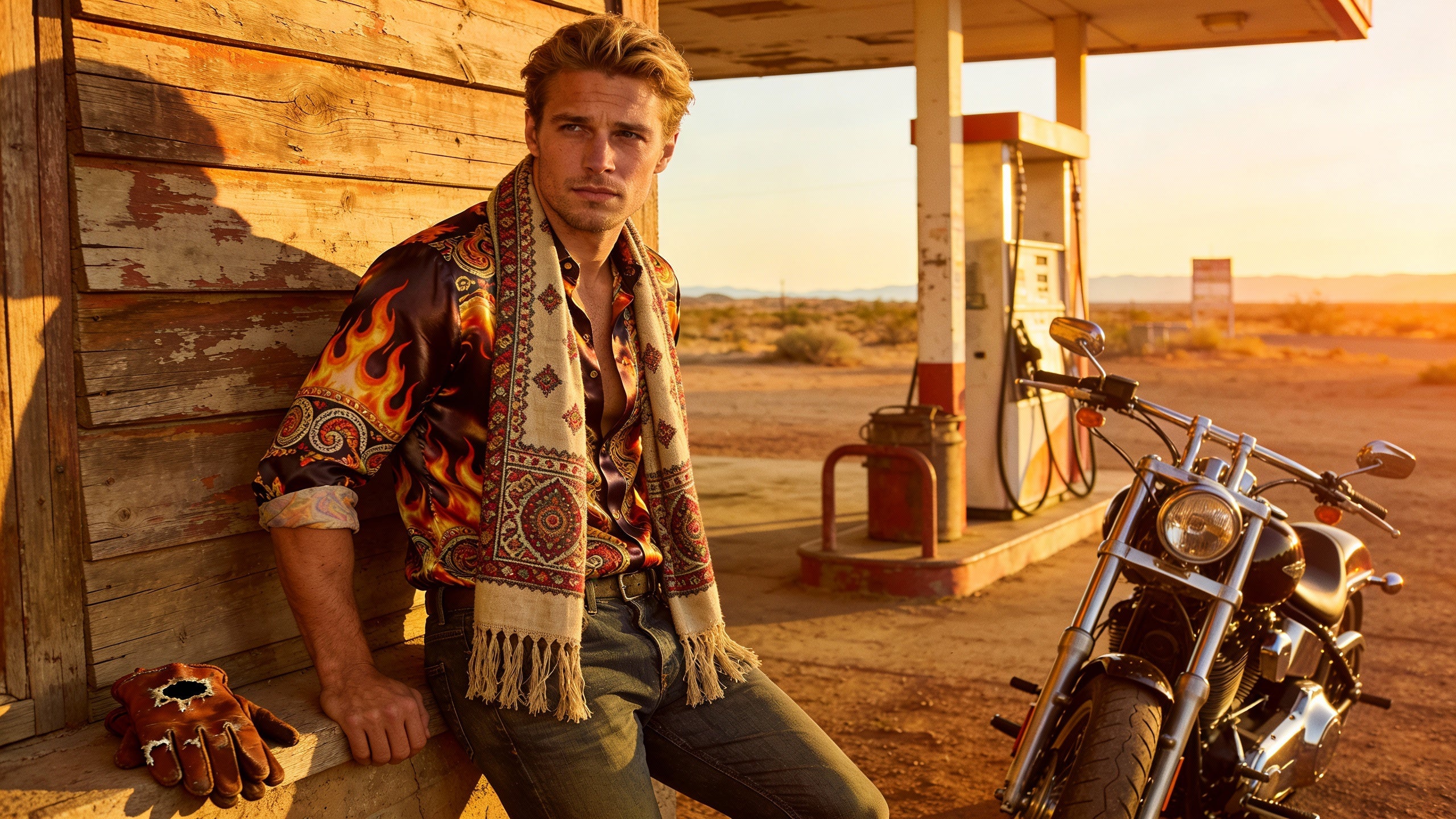
Understanding Azerbaijani Preferences for Flame Pattern Custom Products
Summary: Azerbaijani customers tend to favor flame motifs that feel deeply rooted in their “Land of Fire” identity—think boteh patterns and fiery geometry—paired with quality, often natural materials, meaningful symbolism, and thoughtful personalization, especially in textiles, home decor, and wearable art.
Fire As A Living Symbol, Not Just A Shape
In Azerbaijan, fire is more than a dramatic visual; it is a core cultural symbol. Folklore research published in Path of Science shows fire standing for life, purification, protection, and inner strength, especially in Novruz rituals where families jump over flames to “burn away” misfortune for the year ahead.
This fiery identity is echoed in modern architecture. The Flame Towers in Baku, described in several travel and urban studies pieces, are literal skyscraper-flames that glow with LED “fire” at night, broadcasting the country’s nickname, “Land of Fire,” across the skyline.
For gifting, this means flame patterns resonate most when they feel protective, hopeful, and renewing—not aggressive. A cozy throw with a rising-flame motif feels more aligned with local sentiment than, say, a harsh, spiky inferno.

From Boteh To Flame Towers: The Visual Language Of Fire
Long before LEDs painted flames on glass towers, Azerbaijani artisans were weaving fire into cloth. Rug specialists and museum writers describe the boteh (or buta) motif—those curling, teardrop shapes—as a stylized flame, plant, or cypress linked to Zoroastrian ideas of life and eternity. A Shirvan Marasali “flaming boteh” prayer rug, for example, packs hundreds of thousands of hand-tied knots into a field of small, serrated flame shapes.
CNN Travel and the Azerbaijan National Carpet Museum’s materials emphasize how carpets are seen as “a woven soul,” with regional schools like Shirvan, Karabakh, and Ganja each giving the flame-like boteh its own rhythm and color story. Contemporary artists such as Faig Ahmed (profiled by CNN and Forbes) push this further, melting traditional rug flames into surreal, dripping patterns that still feel unmistakably Azerbaijani.
Taken together, several visual cues consistently appeal to Azerbaijani tastes in flame-inspired design:
- Soft, curved flame shapes (boteh, tongues of fire) rather than harsh spikes
- Layered reds, oranges, deep blues, and natural ivory, echoing traditional wool dyes
- Repeating, rhythmic patterns that feel like a “woven story,” not a random print
Nuance callout: when you borrow Karabakh carpet motifs that include flame-like elements, Hyperallergic’s reporting on heritage disputes suggests naming them carefully (“Caucasian-inspired flame motif”) to honor shared traditions without wading into politics.

What Azerbaijani Shoppers Value In Flame Pattern Custom Pieces
Market analysis from 6Wresearch on apparel and loungewear shows Azerbaijani consumers steadily trading up to softer, higher-quality materials—organic cotton, bamboo, and modal—especially for items that touch the skin. They prefer pieces that feel luxurious enough to wear at home and still stylish outside.
At the same time, sustainability is rising. An MDPI study on generations in Azerbaijan finds ecological concern and health protection are key drivers of “green” consumption, especially for younger shoppers. Flame-pattern gifts earn extra love when they use natural fibers, plant-based dyes, and low-waste packaging.
Safety and regulation also matter. Government rules on textiles, including flame-resistant standards for certain garments, mean that fiery prints on pajamas or children’s pieces are welcomed visually but must be executed on safe, compliant fabrics.
In practice, most flame-pattern shoppers tend to look for:
- Comfort: breathable, soft fabrics that feel like cherished loungewear
- Authenticity: motifs clearly rooted in local symbols like boteh, fire temples, or the Flame Towers
- Quality: good finishing, durable stitching, and colors that won’t fade quickly
- Values: eco-friendlier materials and respectful storytelling about heritage

Heartfelt Flame-Inspired Gift Ideas For This Market
As a sentimental curator designing flame-themed gifts, I like to imagine each piece as a small home hearth—carrying warmth, protection, and memory. Based on the research and on how carpets and fire imagery are cherished locally, these formats align especially well with Azerbaijani tastes:
- Flame-pattern textiles: custom throws, table runners, or pillow covers with repeating boteh in rich reds and blues, perhaps sized like a small rug (around 3–5 ft long) to echo classic proportions.
- Wearable fire: personalized loungewear or scarves in organic cotton with a subtle allover flame motif and a tiny Flame Towers silhouette or Novruz date tucked near the hem.
- Wall art as a modern carpet: canvas prints or woven wall hangings that reinterpret traditional flame-filled rug borders into contemporary, simplified geometry with a name or wedding date in the center.
- Ritual-inspired keepsakes: small trays, jewelry boxes, or candle sleeves engraved with stylized flames and short blessings about renewal and protection, perfect for Novruz or housewarmings.
Pair each object with a short story card explaining how fire in Azerbaijani folklore stands for renewal and safety. For many receivers, that narrative is what transforms a beautiful flame pattern into a truly unforgettable, heart-deep gift.

References
- https://wir.si.edu/wir_azerbaijan_usa.html
- https://www.academia.edu/107076573/BAKUS_TEMPLE_OF_ETERNAL_FIRE
- https://openresearch.okstate.edu/bitstreams/628700f0-a6f5-46e3-aadb-dde85bf41930/download
- https://www.state.gov/reports/2024-investment-climate-statements/azerbaijan
- https://pathofscience.org/index.php/ps/article/view/3386
