

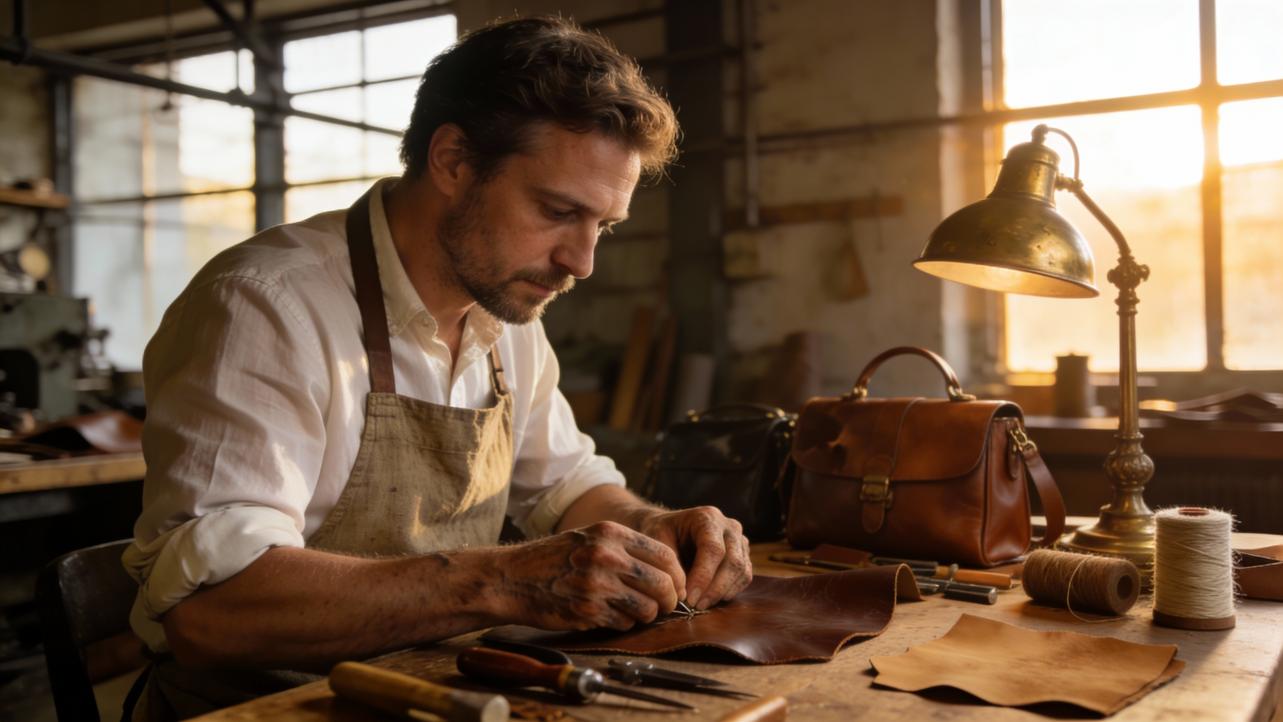
The Heart Behind the Hide: Why Leather Source Matters in Custom Gifts
Summary: When you clearly name the leather’s species, grain, tanning, and origin, a custom piece stops being “just a leather gift” and becomes a trusted, story-rich heirloom that feels good to use and give.
Every Custom Leather Gift Begins With a Hide
Every personalized leather wallet, journal, or camera strap begins long before it reaches your gift box. It begins with an animal, a tannery, and a set of choices that shape how that piece will look, feel, and age.
Historians and educators like BestLeather.org and IsItLeather trace leather’s story back thousands of years, but what matters for your gift is this: not all leather is created equal. A full‑grain vegetable‑tanned cowhide key fob and a bonded “genuine leather” belt may look similar online, yet they will live very different lives with the person you love.
When you specify the leather source, you are telling the recipient, “I paid attention to what this is made of, because I care how it will journey with you.”

Quality in the Details: Species, Grain, and Tanning
Leather specialists such as DMLeatherStudio and Rolford explain that quality starts with three pillars: which animal, which part of the hide, and how it was tanned.
Cowhide is the everyday workhorse—strong and balanced, wonderful for daily‑carry bags and belts. Goatskin offers a bit more flexibility for soft wallets and gloves, while sheepskin feels cloud‑soft but is less rugged. Saying “full‑grain cowhide” tells your giftee to expect a sturdy, characterful piece; “split leather” signals something lighter and more budget‑friendly.
Grain and grade matter just as much. Full‑grain keeps the original surface and is the most durable; top‑grain is lightly sanded for a smoother look; genuine and bonded leathers use lower layers or reconstituted scraps and will not age as gracefully. Labeling the grade avoids the common “genuine leather” confusion and sets honest expectations.
Tanning is the quiet chemistry underneath it all. Vegetable‑tanned leather, made with plant tannins, starts a bit firmer and develops a rich patina—perfect for future heirlooms. Chrome‑tanned leather, tanned with mineral salts, is softer and very common in fashion. When you specify “Italian vegetable‑tanned full‑grain cowhide” for a custom bag, you are quietly promising decades of wear and a patina that tells their story.

Ethics, Sustainability, and Truth in Materials
Writers at Szoneier and Manuel Dreesmann’s studio note that most leather comes as a byproduct of the meat industry, turning what would be waste into something long‑lasting. A well‑made leather piece that serves for ten or twenty years can be far gentler on the planet than a string of plastic‑based replacements.
At the same time, environmental groups and conservation experts remind us that tanning and dyeing can be hard on water and workers if handled carelessly. That is why tanneries like Tenerias Omega pursue Leather Working Group gold ratings and innovate with metal‑free, plant‑based systems such as olive‑leaf tanning.
Nuance callout: “Leather is sustainable” only holds when hides, chemicals, and wastewater are handled responsibly—naming the source helps your customer see that picture.
When you can say, “This notebook cover is cut from LWG‑certified, vegetable‑tanned cowhide sourced as a meat byproduct,” you give your recipient clarity to match their values, not just their style.
What To Specify For Your Custom Piece
For custom orders or product descriptions, a simple checklist turns vague leather into a clear, confident story:
- Animal and character: cowhide, goatskin, sheepskin, or something more exotic if appropriate.
- Grain and grade: full‑grain, top‑grain, split, or bonded, so durability is transparent.
- Tanning method: vegetable‑tanned, chrome‑tanned, or metal‑free / combination, with a note on feel and patina.
- Origin and standards: country or tannery name, and any certifications such as Leather Working Group ratings.
- Finish and care: aniline or lightly finished for patina, or more coated for stain resistance and easy upkeep.
These few lines can go on a product page, in a custom‑order message, or on a little card tucked into the gift box.
From Material Facts to Emotional Story
As a sentimental curator, I see leather source as more than a spec sheet—it is part of the love note. “This belt was cut from full‑grain, vegetable‑tanned cowhide from a small Italian tannery; it will darken and soften with every year you wear it” feels very different from “leather belt.”
Brands like Mission Mercantile talk about “legacy items” that are carried, scuffed, repaired, and eventually passed down. When you are clear about where the leather comes from and how it was made, you invite the recipient into that legacy from day one.
In the world of artisanal, personalized gifts, specifying leather source is a quiet but powerful act: it honors the animal, the maker, and the person receiving the piece—and it transforms a custom good into a keepsake with a story worth retelling.

References
- https://www.academia.edu/50101442/An_insight_into_artisanal_leather_making_in_Ghana
- https://www.journals.uchicago.edu/doi/10.1086/737877
- https://bestleather.org/the-role-of-leather-in-modern-day-life/
- https://www.conservation-wiki.com/wiki/Leather_and_Skin
- https://www.databirdjournal.com/posts/the-role-of-high-quality-leather-in-building-a-lasting-brand
