

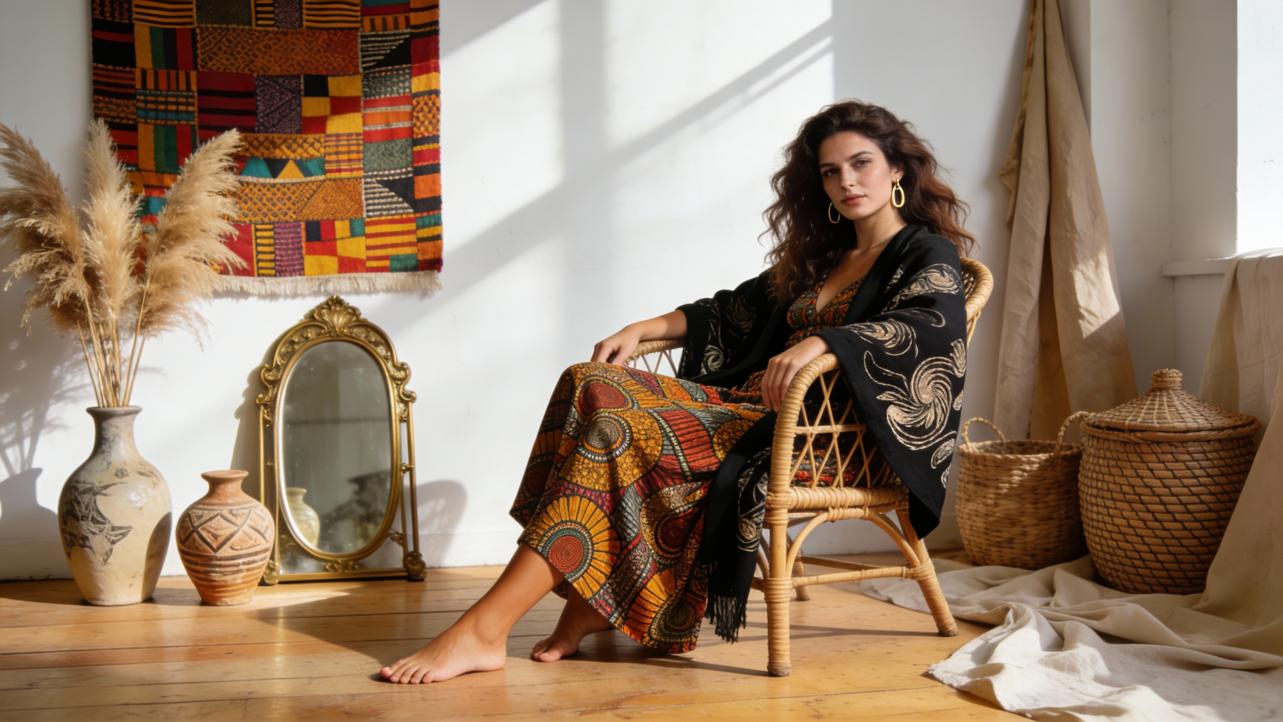
Gifting African Prints & Black Art With Heart
Summary: African print and Black culture-inspired gifts become unforgettable when you treat them as stories you are trusted to carry, not just beautiful things to wrap.
Why These Gifts Feel So Powerful
When you give African prints or Black art, you are not just gifting color and pattern. You are handing someone a visual story about identity, memory, and belonging.
Writers at Africa Fashion Tour describe prints as a kind of wearable storytelling, where every motif and color can signal heritage, values, and even political commitment. Smarthistory and Nature show how textiles and adornment across the continent have long communicated status, kinship, and spiritual protection.
In the United States, galleries and brands highlighted by TingaTinga African Art and other curators have helped these stories travel. A painting in a hallway, a Kente-inspired scarf, or an Adire pillow on a sofa can quietly say, “Your roots, your resilience, your joy matter here.”
For recipients who identify with these cultures, the gift can feel like being seen. For others, it can be a gentle invitation to learn and listen.

Reading the Story in Fabric and Paint
The magic of these pieces is in the meaning, not just the palette.
Kente from Ghana, for example, has historically signaled royal prestige. As Adom notes, each color and pattern can speak of wealth, peace, or spiritual purity, carrying the worldview of Ashanti royalty. Adire from Nigeria encodes proverbs and wisdom through motif placement and density, as Rice and others have documented.
Smarthistory shows how Ndebele beadwork and South Sotho skirts let people “read” marital status, lineage, and community ties at a glance. In Madagascar, lamba cloths and lambamena burial textiles wrap both the living and the ancestors in dignity and memory.
Nuance: wax cloth and other “African prints” have complex, transcontinental histories, and some scholars debate how “authentic” they are as African products. That is exactly why slowing down to learn each piece’s background matters.
When you are choosing a gift, ask the maker what the motif is called, who created it, and what it has meant in its home context. Those answers become part of what you are giving.

Choosing Handmade Pieces That Honor the Culture
As an artful gifting specialist, I think about two things at once: the story in the piece and the safety of the person who will wear or display it.
Africa Fashion Tour stresses considering silhouette, occasion, and cultural context because some prints and garments are tied to specific ceremonies or status. The same is true of certain headwear, jewelry, or commemorative textiles discussed in Nature and Smarthistory; some are everyday, some are royal, some are funerary.
A few quick respect checks before you buy:
- Ask whether the item is everyday wear or reserved for special roles or rites.
- Look for Black or African makers, or brands that clearly credit and compensate those communities.
- Read or request the story card; if the symbolism feels sacred and you are unsure, choose a more neutral pattern.
Supporting makers and small brands rooted in these traditions also has real economic impact, echoing the “Black pound” and community-empowerment themes raised by NBWN and African print advocates. Your dollars can help keep artisanal dyeing, weaving, and batik techniques alive in a mass-produced world.

Personalizing the Gift Into a Bridge
Art can be a bridge, not just a decoration. Projects like Be the Bridge, the Question Bridge installations, and community poems such as “I Am the Bridge” show how Black art and storytelling help people hold hard truths and still choose connection.
You can borrow that spirit when you personalize your gift:
- Tuck in a handwritten note explaining why this specific pattern or artist made you think of them.
- Add a card in the spirit of Hallmark’s Mahogany line, naming strength, grief, or joy in clear, loving language.
- Include a small “story tag” with the motif name, region, and what you hope the piece will remind them of.
Suddenly the gift is not just “a gorgeous scarf” or “a striking print.” It is a quiet promise: I took time to learn your story, or to honor a story that is bigger than both of us.
That is the heart of truly artful gifting with African prints and Black art: beauty that carries meaning, chosen with care, and offered as a bridge between cultures, histories, and hearts.

References
- https://digitalcommons.lesley.edu/cgi/viewcontent.cgi?article=1195&context=jppp
- https://digitalcommons.liberty.edu/cgi/viewcontent.cgi?article=2504&context=honors
- https://hai.stanford.edu/news/how-culture-shapes-what-people-want-ai
- https://www.csusb.edu/special-collections/projects/bridges-carried-us-over-project
- https://marymount.edu/blog/the-intersection-of-culture-and-interior-design-creating-culturally-inspired-spaces/
