

Understanding Swiss Expectations for Custom Watch Gifts and Quality Standards
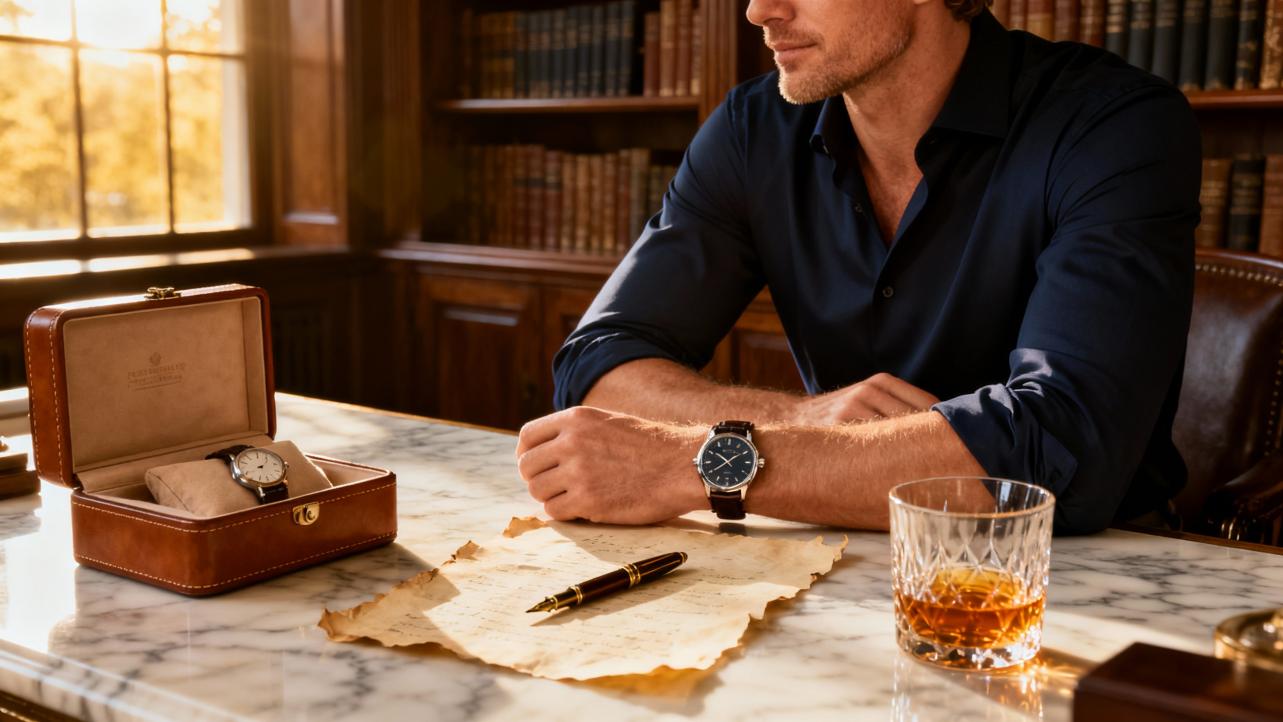
There is something quietly magical about lifting the lid of a watch box and seeing a Swiss timepiece nestled inside, especially when your name, a date, or a secret phrase has been engraved just for you. As an artful gifting specialist and sentimental curator, I see this moment as more than gifting an accessory. You are handing someone a tiny piece of Swiss culture: centuries of craftsmanship, precision, and pride, wrapped around their wrist.
To choose or commission a custom Swiss watch well, it helps to understand what “Swiss quality” really means, how far you can personalize without compromising that standard, and which details Swiss makers and discerning recipients notice immediately. When you pair that knowledge with heartfelt customization, your watch gift stops being a simple object and becomes a future heirloom.
The Swiss Craftsmanship Mindset Behind Your Gift
Swiss expectations for watch quality do not appear out of thin air. They are rooted in a national culture of craftsmanship that has been refined over centuries. Travel through Switzerland and you see it everywhere, from the complex mountain railways to the snug, sound‑blocking windows described by travel writers at Alpinehikers. Everyday objects are expected to work beautifully, last a long time, and feel thoughtfully designed.
The story of Swiss watchmaking itself runs back to 16th‑century Geneva, where the first watchmakers’ guild was founded in 1601. During the Protestant Reformation, jewelry was curtailed under John Calvin’s influence. Many jewelers turned their skills toward timepieces instead, effectively pouring an existing obsession with fine detail into a new art form. Over roughly four hundred years, that art has been refined into the precision mechanical watches the world now associates with Switzerland.
Swiss culture reinforces this mindset in practical ways. A large share of Swiss teenagers choose apprenticeship‑style vocational paths over purely academic tracks, which produces an abundance of highly trained craftspeople, from watchmakers to traditional roofers. Alpinehikers tells the story of tavillonnage, an endangered craft in which artisans painstakingly split and shape wood shingles to create roofs that can endure snowy winters for up to a century. Only a handful of master tavilloneurs remain, but the point is clear: doing a job slowly and well, so the result serves for generations, is a Swiss virtue in itself.
When you give a Swiss watch—especially a custom one—you are stepping into that value system. The unspoken expectation is that the piece will be precise, durable, and thoughtfully made, not just pretty or trendy. A custom engraving or bespoke color is welcome, but never at the expense of integrity.

What “Swiss Made” Means In A Gift Watch
On the dial of many pieces you will see two small words: “Swiss Made.” In the context of gifting, those words are a promise. Swiss makers like Chrono AG describe “Swiss Made” as shorthand for high‑quality craftsmanship, technical know‑how, innovation, competence, and strong aesthetic values. It is less a marketing slogan and more a compact between maker and wearer.
Behind that label are components and processes that shape how your gift will feel and perform. Companies such as Chrono AG, which has been producing private‑label Swiss watches for over three decades, emphasize the use of movements from respected Swiss manufacturers like ETA, Ronda, and Sellita. Another source, Hal Davis Jewelers, highlights the sophisticated in‑house movements used by brands such as Tudor and Omega, with extended power reserves, anti‑magnetic technology, and chronometer‑level precision.
In practical terms, this means that when a recipient sees “Swiss Made,” they anticipate several things. They expect the watch to keep time reliably, day after day. They expect the case, bracelet, and crystal to stand up to real wear instead of feeling like a delicate ornament. They expect details—the click of a bezel, the polish on a hand, the smooth sweep of a second hand—to feel considered rather than rushed.
For a custom watch gift, your personalization needs to sit on top of that expectation, not fight it. The engraving, dial color, or bespoke strap should feel like a natural extension of a well‑engineered core.

How Swiss Quality Shows Up In The Details
When I help clients choose or design a custom Swiss watch gift, I invite them to look past the obvious styling and notice the quieter quality cues. These are the details that align with Swiss expectations, whether the watch costs a few hundred dollars or several thousand.
First, there is precision and the movement itself. Hal Davis Jewelers explains the movement as the “heart” of the watch. Swiss brands obsess over this heart. Tudor’s MT5402 movement, for instance, offers a long power reserve and chronometer‑certified accuracy, while Omega’s Co‑Axial movements are engineered to stay precise even in strong magnetic fields. When your recipient turns over a Swiss watch and sees that level of engineering, it reinforces that their gift is not just decorative but serious.
Second, durability and materials matter deeply. Outsiders, a Swiss microbrand, positions itself as “fair luxury,” combining features like scratch‑resistant sapphire crystal, robust water resistance rated to depths of around 1,000 ft, and finely finished cases, at price points below many traditional luxury brands. This kind of specification signals to the wearer that the watch is meant to be worn freely—from the boardroom to the beach—without babying it.
Third, finishing and design coherence are essential. Articles on Swiss craftsmanship emphasize that quality is as much about doing things beautifully as it is about doing them correctly. On a Swiss watch, this might show up in polished and brushed surfaces that transition cleanly, a dial where the typography, markers, and hands all belong together, or a strap that feels both comfortable and durable. Even the clasp and buckle, as noted in discussions of Swiss watch craftsmanship, receive careful attention so they are secure and pleasant to use.
Finally, service and support are part of the quality package. Watch Branding’s “Zurich” private‑label model, for example, comes with a two‑year guarantee and access to a worldwide service network, with a fallback to repair at headquarters in the Netherlands if no local solution exists. That kind of after‑sales infrastructure is deeply aligned with Swiss expectations: if something does go wrong, the maker stands behind the piece.
Understanding these elements helps you evaluate whether a custom Swiss watch gift truly honors the standards associated with its origin.

Customization, The Swiss Way
Personalization is where the heart of gifting takes center stage. A custom watch is more than a timekeeper; Treehut’s writing on custom watches rightly calls it an extension of personal identity, while Nifer Watch frames custom pieces as “labors of love” crafted over many hours. But in a Swiss context, personalization has a distinct spectrum—from light touches to fully bespoke creations—and Swiss expectations differ at each level.
At the gentlest end of the spectrum are engravings and small factory‑approved options. Brands like Hamilton offer free personalized message engraving on eligible models, specifically positioning it as a way to give a watch a unique twist. VIEREN speaks of their engraving service as transforming a timepiece into a timeless symbol of your story. In these cases, the core watch remains exactly as designed by the manufacturer; the custom text is a heartfelt overlay that does not compromise function, water resistance, or serviceability.
Moving deeper, modern Swiss and Swiss‑inspired brands offer configurable designs. Swatch’s “Swatch X You” program invites customers to design their own watch graphics in collaboration with art‑driven patterns. Norqain’s watch configurator lets clients choose from a palette of twelve shock absorber colors—black, anthracite, petrol blue, gecko green, and more—turning a functional rubber component into a visible design accent. Chrono AG, in the private‑label space, offers extensive catalog choices and full custom design, from classic to sporty styles, all produced in Switzerland under the Swiss Made banner.
At the far end is truly bespoke and high‑luxury custom work. Vertu’s exploration of bespoke watchmaking describes one‑of‑a‑kind pieces created through intense collaboration between client and maker, involving initial consultations, detailed design, prototypes, and meticulous hand assembly. Traditional Swiss houses like Vacheron Constantin and Jaeger‑LeCoultre are noted for such bespoke commissions, with enamel dials, guilloché patterns, or reworked heirloom components. This segment of custom luxury watches is projected, according to Vertu’s cited market analysis, to grow into a multibillion‑dollar space by 2030, driven by a hunger for truly unique objects.
In every case, the underlying Swiss expectation remains the same. Personalization should reveal the wearer’s story while respecting the craftsmanship and engineering that make the watch Swiss in the first place.
Light Personalization: Engraving Sentiment Into Steel
For most heartfelt gift occasions, the sweetest spot is light personalization, especially engraving. This is where Swiss expectations and sentimental gifting line up beautifully.
Jewelry and watch guides from retailers like Montague’s Jewelers and La Différence emphasize engraving as the detail that turns a lovely timepiece into a deeply personal keepsake. A short phrase on the caseback—initials, a wedding date, a line of poetry, a private joke—anchors the watch to one unforgettable moment. Obsyss, writing on special‑occasion watches, recommends engravings for weddings and major anniversaries precisely because they mark the start of a new chapter and underline the idea of enduring love.
Swiss brands lean into this lane because it preserves quality. Hamilton’s free message engraving is done within their own ecosystem, and VIEREN emphasizes expertly crafted engravings as part of their luxury positioning. Nothing about these services interferes with the movement, the water‑resistance seals, or the exterior finishing; the engraving is a thin layer of emotion carved into an already well‑made object.
From a gifting perspective, there are a few unwritten rules that align with Swiss sensibilities. Short, meaningful text ages better than long paragraphs. Dates in a clear format, like “May 10, 2024,” avoid confusion over the years. Messages that focus on shared values or milestones rather than trends give the watch a better chance of feeling timeless in twenty years.
The main trade‑off with engraving is future flexibility. A personalized caseback may slightly narrow the pool of future owners if the watch is ever sold, and that can matter with certain investment‑grade pieces. Yet for many givers and recipients, the emotional return far outweighs any theoretical resale considerations. In my experience, when someone opens a watch and quietly traces their own initials or an anniversary date with a fingertip, they are not thinking about auctions. They are thinking about who gave it to them.

Deeper Design Choices: Color, Materials, And Character
Beyond engraving, you can shape how a Swiss watch looks and feels through color and materials. This is where configuration becomes creative play.
Norqain’s twelve‑color shock absorber palette is a beautiful example of micro‑customization. By turning a technical part into a design accent, they let wearers choose between classic neutrals like black and beige or vivid tones such as coral red and turquoise. The even balance between neutrals and bold shades signals a deliberate attempt to serve both traditional tastes and adventurous personalities.
Swatch X You takes a more graphic approach, allowing people to place art‑driven designs exactly where they want them on the watch canvas. The result can be bright, playful, and highly individual. Swatch presents these pieces as stories wrapped around the wrist, which aligns perfectly with the idea of a watch as wearable narrative.
Luxury‑oriented sources like Bob’s Watches emphasize the same principle at a higher price tier: straps, dials, and even cases can be customized within brand programs. A Rolex or Omega might receive a bespoke alligator strap or a precisely executed caseback engraving, always done in ways that preserve chronometric performance and water resistance. Patek Philippe’s personalization program goes further with special dials, enamel work, or family crests, guided by extensive consultation and museum‑grade standards.
The advantages of these deeper design choices are obvious. They let the watch mirror the recipient’s wardrobe and personality, from minimalist to maximalist, from earthy woods and leathers (as Treehut favors) to polished steel and high‑tech composites. The potential downside is complexity. More choices mean more decisions, and without a clear vision, the result can drift away from the cohesive, quietly confident aesthetic that defines many Swiss pieces.
When I coach clients through this level of customization, we start with the person, not the palette. An outdoorsy, earth‑tone dresser might be better served by a brushed steel case with a textured leather strap and subtle color accents than by a high‑gloss dial in a loud shade. A modern, monochrome wardrobe could call for a clean, graphic dial and a matching bracelet instead of a busy, multi‑color design. The goal is to let the watch blend into daily life while still feeling distinct enough to be cherished.

Full Bespoke And Private‑Label Swiss Watches
For some gift‑givers, especially marking once‑in‑a‑lifetime milestones, only a fully bespoke watch will do. In this realm, a small team of artisans collaborates with a client to create a one‑of‑one timepiece that captures a personal story in metal, glass, and movement.
Vertu describes the bespoke process as beginning with an intense consultation, moving through detailed sketches and material selection, then into prototyping and hand‑assembly. Traditional Swiss maisons like Vacheron Constantin and Jaeger‑LeCoultre are known for enamel dials and intricate complications designed specifically for a single client. Independent makers highlighted by Vertu, such as Garrick and AnOrdain, deliberately preserve older crafts like hand‑engraving and enamel work as part of this approach.
The advantages are immense. A bespoke Swiss watch can carry unique materials, heirloom elements, or art that would never appear in a standard catalog. It becomes not just a reminder of an occasion but a physical embodiment of the recipient’s identity and story. These pieces often become family heirlooms by design, intended to be passed from one generation to the next.
The trade‑offs are just as real. Costs are significantly higher than for standard models, with pricing shaped by the maker’s reputation, complications, and materials. Lead times stretch from many months to several years; Vertu mentions examples that require over eight months of work. Owners are also advised to treat these watches as long‑term assets, with careful cleaning, periodic professional servicing, and secure storage in proper cases to preserve both performance and value.
Private‑label Swiss watches sit slightly to the side of this world. Chrono AG, for instance, creates Swiss Made watches carrying a company’s logo or serving as the launch platform for a new brand. These can be powerful custom gifts for corporate anniversaries, customer appreciation, or special campaigns. Because design and production remain within Switzerland and use recognized Swiss movements, the resulting watches speak the same language of quality, even if the name on the dial is new.
If you are considering a bespoke or private‑label Swiss watch as a gift, it is crucial to build in time, budget, and thoughtful consultation. Done well, the result can be one of the most meaningful objects a person ever owns.
Where Swiss Brands Draw The Line: The “Frankenwatch” Taboo
Not all customization is created equal in the eyes of Swiss brands and serious collectors. A widely discussed article from Hodinkee explains how many manufacturers refuse to entertain certain changes and may even decline future service on heavily modified pieces.
The examples are revealing. If you buy a new watch and want a special dial color that is not in the catalog, you will likely be told no. If you love a steel sports watch but imagine it looking better in black, the brand will almost certainly not offer to coat it; you would need to find an independent specialist to apply a black finish. If you dislike signature hands—such as the “Mercedes” style seen on some sports watches—and decide to replace them with another shape, collectors may start calling the piece a “Frankenwatch,” a term for watches assembled from mismatched or non‑original parts.
Brands enforce this line through service policies. Hodinkee notes that many manufacturers officially service only watches that retain original components. If a watch has been re‑coated, re‑dialed, or fitted with non‑standard parts, they may refuse to touch it. This stance effectively discourages unauthorized modifications because it threatens both convenience and long‑term value.
For a gift‑giver, this creates a clear distinction. Factory‑approved personalization—engraving offered by the brand, strap changes within their recommended options, official dial or bezel variants—is not only safe but often encouraged. Aftermarket modifications that significantly change appearance or structure may conflict with Swiss expectations of authenticity and integrity, even if the recipient loves the look.
The pros of going “off‑catalog” are individuality and creative freedom. The cons include potential service refusal, reduced warranty coverage, and skepticism from future buyers. When your intention is to give a sentimental, long‑lived Swiss gift, staying within or near the maker’s own customization programs is usually the wiser path.
Aligning Swiss Quality With Recipient And Occasion
At its core, a watch gift is about a person and a moment. Swiss standards are the canvas; the portrait is the relationship you are celebrating. Guides from La Différence, Montague’s Jewelers, Zadok Jewelers, and Nifer Watch all echo the same principle in different ways: personalization starts with really understanding the recipient.
A classic dresser with a quiet, refined wardrobe might feel most at home with a slim, elegant Swiss dress watch, perhaps on leather, with a simple dial that pairs with a suit or a little black dress. A sports‑minded recipient who swims, hikes, or travels constantly might be better served by a robust divers’ or pilot‑style watch, like the archetypes highlighted by Outsiders, designed to go from deep water to high altitude and back again.
Movement choice becomes part of this fit. Montague’s Jewelers notes that quartz offers excellent accuracy and low maintenance, which can be ideal for someone who just wants a reliable companion. Obsyss and others suggest that automatic or mechanical movements feel more luxurious and heirloom‑ready, showcasing visible craftsmanship and a sense of tradition. For many Swiss watch lovers, the gentle sweep of a mechanical second hand is itself a small daily pleasure.
Occasion also shapes expectations. For weddings and anniversaries, Obsyss recommends classic metals and suggests matching couple’s sets or engravings of dates and vows, leaning into the symbolism of shared time. For graduations, promotions, or retirements, Nifer Watch and Zadok emphasize that a custom or thoughtfully chosen Swiss watch can function as a milestone marker, a daily reminder of effort and achievement.
If the recipient is drawn to prestige brands, Bob’s Watches points out how carefully controlled brand‑approved customizations—like caseback engravings or special straps on Rolex, Cartier, Patek Philippe, or Omega—can add personal meaning while respecting brand architecture. If they care more about fairness and craftsmanship than logos, Outsiders’ “fair luxury” model shows that Swiss Made quality can be delivered at more accessible price points by trimming advertising and middlemen.
The art is in balancing all these factors so the watch feels like them, fits their life, and quietly meets Swiss expectations for quality, all at once.
Classic Luxury, Microbrands, And Private Label: A Simple Comparison
Different paths can all lead to a beautiful Swiss custom watch gift. The key is understanding how they compare on quality, personalization, and meaning. Here is a concise overview based on the sources discussed.
Option |
Typical Quality Focus |
Personalization Style |
Strength As A Gift |
Heritage Swiss luxury brands |
In‑house or top‑tier movements, advanced materials, strict testing and certifications |
Brand‑approved engraving, special straps, occasional bespoke dial work |
Powerful status signal, deep craftsmanship, strong heirloom and resale potential |
Swiss direct‑to‑consumer microbrands |
High‑end components, robust water resistance, careful finishing at fair prices |
Color variants, strap options, sometimes limited editions |
Excellent value, modern styling, serious Swiss engineering without ultra‑high pricing |
Swiss Made private‑label watches |
Recognized Swiss movements, compliant Swiss Made production, solid construction |
Logos, dial design, tailored collections for companies or special projects |
Ideal for corporate or group milestones, allows new brands to offer genuine Swiss quality |
Whichever route you choose, the watch should still feel undeniably Swiss in its build and honestly personal in its story.
A Practical Flow For Commissioning A Swiss Custom Watch Gift
When you are ready to move from inspiration to action, it helps to follow a simple, thoughtful flow rather than jumping straight into color charts and engraving fonts.
Begin by clarifying the purpose and the moment. Is this a wedding, a silver anniversary, a graduation, or a quiet thank‑you for years of partnership? The clearer the story, the easier it is to choose a watch that will keep telling it decades from now. Picture where the watch will be worn: at a desk, on mountain trails, in a boardroom, or on formal evenings.
Next, decide how deep you want to go with customization while honoring Swiss standards. If the priority is timelessness and reliability above all, a standard Swiss model with a discreet factory‑approved engraving may be perfect. If the recipient loves bold design and self‑expression, explore configurators like those from Swatch or Norqain, or look at microbrands and private‑label options that allow more aesthetic freedom without technical compromise. Reserve full bespoke commissions for moments and budgets where the watch is meant to be a once‑in‑a‑lifetime masterpiece.
Then, verify the underlying quality. Confirm that the watch is genuinely Swiss Made if that is part of the promise you want to give. Ask which movement family it uses—names like ETA, Ronda, or Sellita carry weight because they are associated with reliability and established service networks. Inquire about water resistance, materials, and crystal type so you know how the watch will handle your recipient’s everyday life.
Do not skip the practicalities of warranty and service. Look for guarantees of at least a couple of years and ask where the watch can be serviced. Watch Branding’s example of a global repair network with a headquarters fallback illustrates the kind of support that adds peace of mind. For bespoke pieces, lean on the maker’s guidance about care, cleaning, and storage, echoing Vertu’s reminder that these watches are long‑term assets that deserve gentle handling and safe homes.
Finally, craft the personal touch. Choose engraving text that will still make sense and stir emotion twenty years from now. Consider date formats like “May 10, 2024” for clarity. If you are selecting colors or materials, let the recipient’s existing wardrobe and accessories guide your choices instead of chasing trends. The most successful custom Swiss watch gifts look as though they have always belonged on that wrist.
Caring For A Swiss Custom Watch So It Lives Up To Its Promise
Once the watch is on your loved one’s wrist, its story is just beginning. Swiss expectations for quality assume ongoing care, not perfection without maintenance.
Vertu’s discussion of bespoke watches recommends gentle cleaning, periodic professional servicing, and safe storage in protective cases. Those principles apply broadly. Encouraging the recipient to wipe down their watch after heavy wear, to keep it away from harsh chemicals, and to store it in a dedicated box or pouch when not in use helps preserve both appearance and performance.
For automatic and mechanical watches especially, professional servicing at sensible intervals is part of the ownership ritual, ensuring the movement stays lubricated and accurate. When you give the watch, you might even mention that you see it as a long‑term companion that will occasionally need the horological equivalent of a wellness visit. That framing aligns perfectly with Swiss attitudes toward craftsmanship: objects worth making well are worth caring for.
If the watch is particularly valuable or sentimental—such as a bespoke commission or a limited piece with special engravings—storing it in a quality watch box or safe when not in use can prevent accidental damage. Luxury watch boxes and winders, described by sources like Bob’s Watches, often combine protective interiors with security features, making them fitting companions for significant timepieces.
FAQ: Swiss Custom Watch Gifts And Quality
Is it safe to customize a Swiss watch from a major brand?
It is safe as long as you stay within the maker’s own customization programs and options. Engraving services offered directly by brands like Hamilton, strap changes recommended by the manufacturer, or official dial and bezel variants are all designed to preserve water resistance, reliability, and service eligibility. Hodinkee’s reporting shows that brands may refuse service on watches that have been heavily modified with non‑original parts or aftermarket coatings, so it is wise to avoid major alterations that the brand does not support.
Do Swiss recipients actually want custom watches, or do they prefer classic models?
Interest in personalization is rising globally, and Vertu notes that the market for custom luxury watches is expanding quickly. At the same time, Swiss culture prizes quality, functionality, and authenticity. Many recipients appreciate subtle, meaningful customization—such as engravings, strap choices, or tasteful color accents—layered onto a classic, well‑engineered Swiss design. In practice, that means the most appreciated gifts tend to balance timeless aesthetics with one or two personal touches rather than radical transformations.
How can I know if a Swiss custom watch is good enough to become a family heirloom?
Heirloom potential comes from both technical and emotional factors. On the technical side, look for serious Swiss movements, solid materials, sapphire crystal, credible water resistance, and a brand or maker with established service support, as highlighted by sources like Hal Davis, Outsiders, Chrono AG, and Watch Branding. On the emotional side, engravings, bespoke dials, or story‑driven design choices rooted in the recipient’s life give the watch reasons to be cherished beyond its resale value. When both sides are present, you are well on your way to an heirloom.
In the end, a Swiss custom watch gift is a small object carrying a big promise: that time together matters, that craft still counts, and that someone cared enough to choose or create something just for this wrist, this life, this moment. When you align Swiss standards of quality with your own generosity of thought, the result is not just a beautiful watch, but a story that keeps ticking.
References
- https://chronowatch.ch/
- https://www.niferwatch.com/a-why-custom-watches-are-the-perfect-gift-for-watch-lovers.html
- https://www.watchesofswitzerland.com/?srsltid=AfmBOoqN4VP5SQGZ1STJS5GnqQEJBlYvSZB1QG4aYg3N34UpR3vSWDIK
- https://www.121time.com/private-label/private-label-overview
- https://alpinehikers.com/the-swiss-culture-of-craftsmanship-2/
- https://www.bobswatches.com/luxury-watches/customizable-luxury-watches-guide?srsltid=AfmBOooyN85_TLBOavrtidB05-bUtIzN1cG-GnDU5sSVFjU6qm2fm-1Z
- https://www.haldavis.com/journals/swiss-watches
- https://www.hamiltonwatch.com/en-ch/personalized-message-engraving-watches?srsltid=AfmBOorvyXxYtVIw9GhHSAMuhS_q-upb4S8alpXHLWwQjOZpOUaEKNH7
- https://www.hodinkee.com/articles/custom-watches-are-awesome-and-should-no-longer-be-taboo
- https://initium.swiss/en/?srsltid=AfmBOooXOKO7JNwep0uzZU8TdztGIekq_g69LQJDUln2L6ZjPibMMa9K
