

Understanding Tango Culture and Personalized Gifts in Argentina
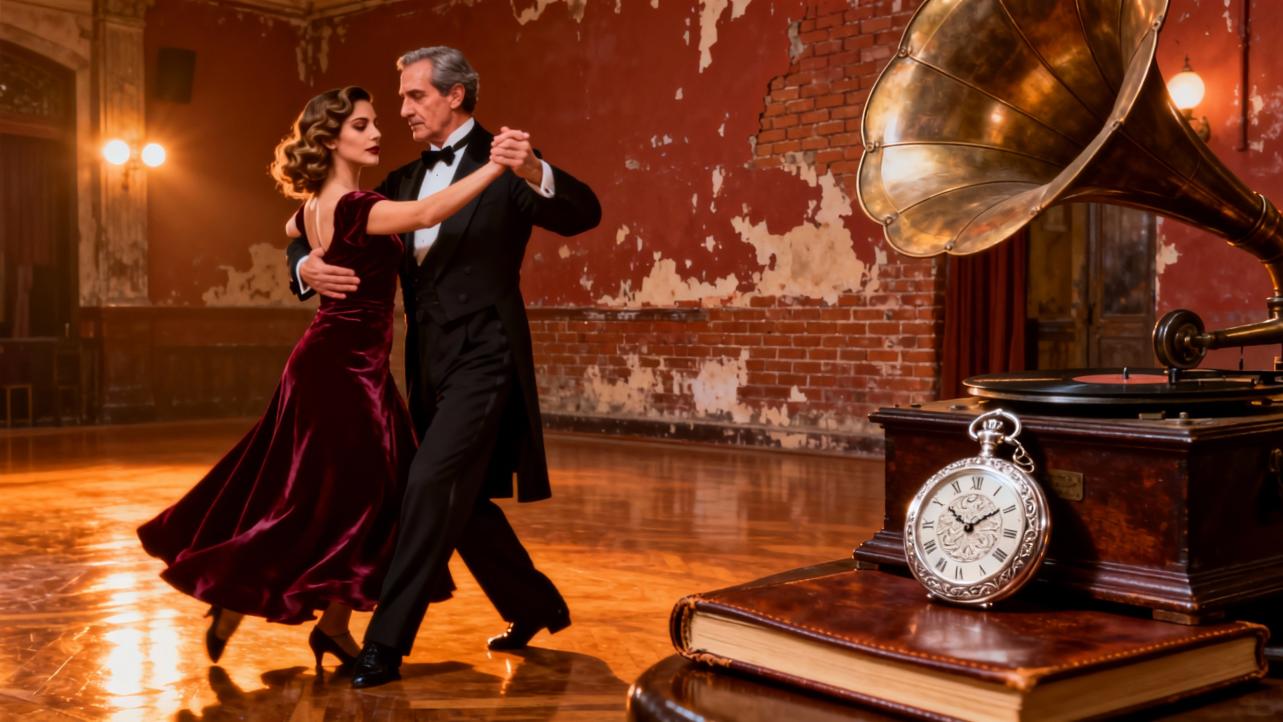
Tango is often described as an embrace, a walking conversation between two hearts. In Argentina, though, it is much more than a romantic stereotype. Tango is music, poetry, movement, neighborhood memory, immigrant history, and quiet resilience woven into one living art form. As an artful gifting specialist, I see tango not just on the dance floor, but in the gifts people choose to celebrate love, friendship, and heritage.
This guide will help you understand tango culture in Argentina and translate that understanding into meaningful, personalized gifts. Whether you are surprising a devoted dancer, an Argentina lover, or a deeply sentimental soul, you will find ideas that honor both the person and the culture behind the present.
Tango: The Beating Heart of Argentine Identity
From Port Cities to Global Stages
According to program notes from the Chicago Symphony Orchestra, tango emerged over a century ago in the Río de la Plata region, the estuary that connects Buenos Aires in Argentina and Montevideo in Uruguay. It was born in dockside barrios and crowded tenements where immigrants from Europe, Afro‑Argentines and Afro‑Uruguayans, local criollos, and Jewish communities all tried to make sense of new lives and old longings.
Early tango, often called la guardia vieja or the old guard, grew up in places that polite society tried not to see: brothels, bars, and the gritty outskirts of the city. Pieces of Argentina and other cultural commentators trace its roots to a blend of African rhythms, Cuban habanera, Argentine milonga, and Uruguayan candombe. Tango was an expression of loneliness, nostalgia, and desire for social mobility at a time when Buenos Aires was swelling with new arrivals.
As the twentieth century opened, tango began to move inward from these marginal spaces. Piano scores and early phonograph recordings carried the music into more respectable venues. By the 1910s, tango had taken Paris by storm. French enthusiasm gave Argentines a new pride in the dance many elites had once dismissed, and tango became a symbol of national identity rather than only a pastime of the poor.
Music, Dance, and Poetry in One Embrace
Tango is often described as a multidimensional art. The Chicago Symphony Orchestra highlights its musical markers: the dotted habanera rhythm, the sighing voice of the bandoneon, fluid melodies, and harmonies that draw on both classical and popular traditions. The classic sexteto típico ensemble, with two violins, two bandoneons, piano, and bass, helped codify its sound.
But tango is also poetry. Tanguito, a London‑based tango school and blog, notes that lyrics blossomed around 1917, turning tango songs into a poetic outlet for the hardships of poverty, heartbreak, and exile, as well as dreams of travel and success. These lyrics deliberately avoid politics and religion, focusing instead on emotions that anyone can share, which helps tango act as a unifying cultural language rather than a divisive one.
The dance itself is equally distinctive. Pampeano, an Argentine leather brand that writes about tango’s story, explains that Argentine tango is largely improvised. There is no rigid basic step and no pre‑set choreography in social dancing. Dancers walk in a close embrace, chest to chest, with hips slightly back to allow intricate footwork. A piece in VTDigger describes Argentine tango as having more than four thousand possible elements, all combined in the moment. The result feels like a ten‑minute romance on the dance floor: intense, honest, and deeply present, yet without obligation beyond the song.
This triple nature of tango as music, dance, and poetry means that when you choose a tango‑inspired gift, you are not just referencing a dance style. You are touching an entire emotional ecosystem.
Golden Ages, Reinventions, and UNESCO Recognition
During the 1930s, tango entered what many call its golden age. Chicago Symphony Orchestra notes that tango became Argentina’s dominant popular art, with orchestras developing highly individual styles through phrasing and rhythmic treatment. Singers, following the trail blazed by Carlos Gardel and the tango canción, moved to the center of attention. Gardel’s presence became so iconic that the saying “Carlitos sings better each day” still lives on in Argentine popular memory.
Later, the rise of rock music reduced tango’s presence in dance halls. Ensembles shrank, tango shifted into nightclub listening contexts, and musicians experimented with new directions. This set the stage for Astor Piazzolla, a bandoneon virtuoso with deep tango roots and classical training. As the Chicago Symphony Orchestra recounts, he founded his Buenos Aires Octet in 1955 and created nuevo tango, fusing tango with classical and jazz influences, introducing electric guitar, new rhythmic patterns, and extended instrumental techniques.
Pieces of Argentina and other cultural writers note that the 1950s and 1960s saw a decline in social tango, followed by a revival beginning in the 1980s, fueled by touring shows such as Tango Argentino and Tango Forever. Tango reappeared on global stages from London to New York, while at home in Buenos Aires, traditional milongas kept the flame alive.
In 2009, UNESCO added tango to its Intangible Cultural Heritage List, as described in a travel reflection by Plesigrad and in an article from Ultimate Tango School of Dance. The UNESCO Convention for the Safeguarding of Intangible Cultural Heritage is a legal framework designed to protect living practices such as music, dance, rituals, and oral traditions. When tango was recognized, it was an international acknowledgment that this art form is not just entertainment; it is a cultural treasure that deserves active preservation for future generations.

Living Tango in Everyday Argentina
Milongas, Cabeceo, and the Art of Connection
If you step into a traditional Buenos Aires milonga, the social dance gathering where tango is danced, you enter a world of quiet codes and warm ritual. Pampeano explains that milongas are central to Argentine tango, places where people gather across generations to dance in close embrace, often moving in relatively small spaces with intricate, grounded steps rather than sweeping ballroom patterns.
Tango communities around the world have developed a detailed etiquette. VTDigger describes how dancers move counterclockwise along a shared line of dance, apologize for collisions, and usually share several songs together. Traditional halls in Buenos Aires will even ask repeat offenders who ignore this communal code to leave. Tanguito points out that in such spaces, social markers like occupation, status, and even language matter less than the shared “conversation” in the embrace.
Within this etiquette, a subtle ritual called the cabeceo plays a starring role. An article on creative gifts for tango dancers from Endre Tango explains that cabeceo is the traditional nonverbal invitation to dance. Dancers make eye contact across the room and seal the invitation with a slight nod of the head. It protects everyone’s dignity by allowing both invitation and refusal without public awkwardness. So much so that playful accessories like a “Cabeceo me” bag have become in‑jokes among dancers.
These social rituals are not mere quirks. Ultimate Tango emphasizes that tango functions as a bridge between cultures and generations, connecting people through shared practice. UNESCO’s recognition highlights this unifying role. In a fragmented world, a tradition that teaches people to listen closely to another body, respect shared space, and hold a stranger with care becomes quietly radical.
Warmth Beyond the Dance Floor: Siesta, Cheek Kisses, and Mate
To understand tango culture, it helps to see it in the wider context of Argentine daily life. Pieces of Argentina describes the siesta, an afternoon rest, as a deeply rooted tradition in many parts of the country. Businesses and schools often close for a few hours in the early afternoon, giving people time to recharge, share a relaxed meal, or spend time with family. In a world that often glorifies constant productivity, this ritual underscores a cultural value on balance, rest, and human connection.
The same source explains that the typical greeting in Argentina is a single kiss on the cheek. People lightly touch right cheeks and make a small kissing sound, whether they are close friends, distant relatives, or even new acquaintances in some settings. This gesture, with roots in European and especially Italian heritage, mirrors tango’s embrace on a smaller scale: warm, direct, and embodied.
Sharing mate, the traditional herbal drink, is described in the article as another social ritual. Even without detailing every step, the very act of sharing a drink in a communal way echoes tango’s emphasis on shared experience. You see a pattern emerge. Argentine culture values touch, presence, and communal pauses, and tango is an intensified expression of that same warmth.
Tango as Healing and Practice Ground
Multiple sources highlight how tango benefits body and mind. Plesigrad’s travel essay cites University of Washington research where twenty one‑hour Argentine tango lessons improved balance, coordination, and mobility for people with Parkinson’s disease. Clinical reports from psychiatric hospitals in Buenos Aires mentioned in the same piece suggest that tango‑based therapy helps patients temporarily forget problems, feel needed, and experience comforting physical closeness.
VTDigger references a McGill University study in which seniors took tango classes twice a week for ten weeks and saw better balance, faster walking, and reduced fear of falling when compared with a walking program. It also cites a twenty‑one‑year study from Stanford in which frequent dancing reduced dementia risk in older adults by seventy‑six percent, more than crossword puzzles, and more than other forms of physical activity like walking or golf. Researchers attribute this to the cognitive challenge of improvisational dance, which constantly creates new neural pathways.
These findings reinforce what many dancers feel intuitively. Tango functions as a kind of moving meditation. Because the dance is improvised and led through subtle physical cues, both partners must focus fully on the moment instead of their worries. For someone choosing a gift, that means your present can support not only a hobby, but also emotional regulation, confidence, and even healthy aging.

Roses, Emotion, and Tango‑Inspired Symbols
The Rose as Tango’s Silent Partner
In Argentine culture, the rose carries a particularly rich emotional charge. An article from Imaginary Worlds, a floral art brand that creates rose sculptures, describes how roses in Argentina symbolize love, passion, remembrance, and hope. They appear in public plazas, at weddings and anniversaries, during Holy Week and Independence Day, and in family gatherings as tokens of unity and gratitude.
When you picture tango, it is easy to imagine a rose tucked behind a dancer’s ear or held between smiling lips. Imaginary Worlds frames the rose as a muse for tango, amplifying the drama of the dance. In their designs, preserved rose sculptures with sweeping curves echo the arcs of tango movements and the warmth of Buenos Aires sunsets. Their signature ARG rose sculpture uses velvet reds, soft pinks, and warm golds to evoke national emotion and the glow of evening light on the city.
The same article explains the modern idea of a forever rose in Argentina as a preserved floral arrangement meant to last, blending Old World sentimentality with a clean, contemporary aesthetic. These preserved rose sculptures and luxury rose boxes have become status objects and emotional keepsakes in executive offices, boutique hotels, and stylish homes. They signal nostalgia and a preference for gestures that endure.
For gifting, this means that a preserved rose sculpture is not just home decor. It can function as a cultural heirloom, witnessing anniversaries, milestones, and family stories over many years. In a tango context, it can stand in for the intensity of a single song that you want to remember for a lifetime.
Fans, Perfume, and the Playful Code of Gesture
The world of tango gifting is rich with small, clever objects that carry both practicality and poetry. Endre Tango, a site devoted to creative presents for dancers, suggests refillable perfume atomizers so dancers can bring a favorite scent to milongas without carrying a large glass bottle. A few discreet sprays before a tanda of dances can boost confidence and comfort for both partners.
Because milongas can get warm, especially when dancing late into the night, the same article recommends tiny portable fans. Some are USB powered or plug into a cell phone, while others combine a fan with a power bank. These gifts are playful, but they also show thoughtfulness. You are saying, in effect, that you care about your dancer’s comfort in the spaces they love.
Hand fans bridge practicality and tradition. Endre Tango notes that there is a wide selection of fan styles and materials inspired by Chinese, Japanese, and Spanish designs, from silk and lace to lightweight plastic. Historically, fans had their own language. The article explains that resting a fan on the right cheek signaled “yes,” the left cheek meant “no,” fanning quickly could mean “I am engaged,” fanning slowly “I am married,” and opening the fan slowly “wait for me.” Reintroducing this playful code at a milonga could be delightful, though the author gently warns that hiding behind a fan might reduce a follower’s chances of receiving a cabeceo.
Other modern accessories solve quiet but real problems. Magnetic collar stays keep a leader’s shirt collar crisp through hours of movement. L’espirant, a reimagined undershirt created by a tango dancer, offers a discreet layer under a dress shirt that keeps the look smooth while managing heat and perspiration. TheDanceSocks, slip‑on oversocks that transform regular shoes into danceable footwear, allow dancers to be ready for an impromptu milonga even without their specialized shoes.
These kinds of gifts have clear advantages. They are practical, immediately useful, and show that you have paid attention to the lived experience of dancing. The potential downside is that, on their own, they can feel more functional than sentimental. The magic happens when you pair them with a handwritten note or another symbolic element, so the recipient feels both cared for and emotionally seen.
Designing Thoughtful Tango and Argentina‑Inspired Gifts
Gifts for the Dancer in Motion
Under Lucky Stars, a company known for personalized star maps, has published several guides about gifting for tango lovers. Together with Endre Tango and other sources, they point toward a key idea: the best gifts for active dancers support both their skill and their joy.
Private or small‑group Argentine tango lessons are a powerful starting point. Under Lucky Stars suggests them as a top anniversary gift for a partner who loves tango. Lessons offer structured time together, guided by a teacher who can help you both refine your connection and communication. Workshops or weekend retreats go even deeper, immersing dancers in technique, musicality, and the wider tango community. The advantage of experience‑based gifts is that they create shared memories and often lead to lasting growth. The potential challenge is scheduling; make sure the dates and level truly suit the recipient so that the gift feels like an invitation, not an obligation.
High‑quality tango shoes and elegant dancewear are another classic category. Under Lucky Stars mentions shoes, stylish shirts, bow ties, and suspenders that match the elegance of Argentine tango. Endre Tango’s suggestions such as TheDanceSocks, magnetic collar stays, and L’espirant undershirts solve more subtle needs. The benefit of these items is that they immediately upgrade someone’s dance experience. The possible drawback is fit and style. Whenever you are unsure about size or taste, consider a beautifully presented gift voucher from a trusted studio or artisan shoemaker, paired with a personal note describing why you chose it.
Health research summarized by VTDigger and Plesigrad shows that tango can improve balance, coordination, mood, and even cognitive resilience. When you give lessons or dance‑related experiences, you are not just supporting a pastime. You are quietly investing in your loved one’s long‑term well‑being. That deeper layer can be meaningful to include in your message or card, especially for an older dancer who might be navigating health changes.
Gifts for the Argentina Lover at Heart
Some people are captivated not only by tango, but by Argentina as a whole. For them, gift ideas curated by Pieces of Argentina are particularly rich. The site recommends collections of Argentine folklore music that go beyond tango, showcasing diverse regional styles. A carefully chosen set of recordings or a thoughtfully curated playlist can let someone travel across the country through sound.
For those planning a trip, practical gifts can make the experience smoother and more immersive. Pieces of Argentina suggests items such as detailed travel guidebooks, a local‑compatible SIM card, a lightweight reusable bag for markets, and a compact phrasebook for Argentine Spanish. These are humble objects, but if you pair them with a note about the café in San Telmo where you imagine them sipping coffee, or the first milonga you hope they will attend, they become part of a larger story.
Argentina is renowned for leather craftsmanship, gaucho traditions, and wine. Gifts like a finely made leather belt, wallet, or bag showcase local artistry and durability. A carefully chosen bottle of Malbec, or a set of traditional treats like yerba mate with gourd and bombilla, dulce de leche, and alfajores, brings iconic flavors home. Pieces of Argentina emphasizes that Argentines are passionate about soccer, tango, food, and gathering with family and friends, so gifts that support shared experiences around the table resonate especially well.
Online marketplaces add another dimension. An Argentine tango gift section on Etsy features items created by independent sellers, from Buenos Aires travel posters and tango art prints to jewelry and home decor. One reviewer quoted in the research notes describes receiving an Argentine tango dancer print in flawless condition, arriving earlier than expected, and feeling so delighted that they planned to buy more art. Zazzle’s Argentine Tango gift page has been documented with hundreds of results in a single snapshot, showing how broad the design landscape has become. When you choose art or accessories, look for designs that feel rooted in real tango imagery rather than generic silhouettes, and whenever possible, favor creators who situate their work in the cultural story of Argentina.
Gifts for the Deeply Sentimental
For some recipients, the best tango‑related gift is not an object they use on the dance floor, but a keepsake that binds a specific moment in time to a physical form. This is where personalized and heirloom‑style pieces shine.
Imaginary Worlds positions preserved rose sculptures as emotional legacies. A forever rose arrangement inspired by tango, with curves that echo the dance and colors reminiscent of Buenos Aires evenings, can mark an anniversary, a first trip to Argentina, or a milestone performance. Because the roses are preserved, they stand as a visible reminder that certain emotions are meant to last.
Under Lucky Stars offers another poetic option: personalized star maps that show the night sky as it appeared on a chosen date and location. Their articles suggest aligning the map with significant tango moments, such as the evening you met at a milonga, the night of your first performance, or the date of a life‑changing trip to Buenos Aires. One customer, Lisa Spencer McKown, describes giving her partner a star map of the stars over San Jose airport on the day they reunited and calls it an awesome gift, rating it with the highest praise. That combination of cosmic scale and very personal storytelling makes star maps powerful for tango lovers, whose art already invites them to feel both small and vast inside the music.
Custom artwork or jewelry with tango motifs also carries deep sentimental value. Under Lucky Stars mentions dance‑themed art and jewelry, and Etsy’s Argentine tango sections show how varied these can be. A commissioned portrait of a favorite dancing couple, a silver pendant shaped like a bandoneon, or a bracelet engraved with a meaningful lyric can each become wearable memory. The main advantage of these gifts is their uniqueness. The challenge is that they require close knowledge of the recipient’s taste and ample time to commission. Planning ahead pays off here.
Comparing Gift Paths at a Glance
The following table gathers several gift categories discussed so far and hints at the sentiment each carries.
Gift type |
Best for |
Core sentiment |
Practical note |
Tango class or workshop |
Partner or friend eager to grow as a dancer |
Shared growth and quality time |
Confirm level, teacher, and schedule fit before booking |
Practical dance accessory |
Regular milonga‑goer |
“I see your real needs and care for you” |
Observe what they already use to avoid duplicates |
Preserved rose sculpture |
Romantic partner or family member |
Enduring passion and remembrance |
Choose colors tied to meaningful places or memories |
Folklore music collection |
Culture lover and Argentina enthusiast |
Immersive connection to regional roots |
Include a note about the story behind each album or playlist |
Personalized star map |
Deeply sentimental recipient |
Commemorating a specific tango milestone |
Match date and place to a shared memory, not a generic event |
Tango art or jewelry |
Dancer or admirer with defined aesthetic taste |
Carrying tango close in daily life |
Work with artists who understand tango imagery and posture |
This table is a starting point rather than a checklist. The most meaningful gift will often blend categories, such as pairing a practical accessory with a forever rose, or combining a Buenos Aires travel kit with a star map marking the night of departure.

Choosing with Respect for Tango’s Cultural Heritage
Tango’s recognition as intangible cultural heritage by UNESCO, as explained by Ultimate Tango and Plesigrad, reminds us that this art form belongs to real communities. It grew from gatherings of people who were poor, displaced, or marginalized and needed connection. When you choose a tango or Argentina‑themed gift, you are interacting with that legacy.
One way to honor it is to support the living culture. That can mean buying from local artisans or small studios, whether in Buenos Aires neighborhoods, regional Argentine towns, or independent makers online. Etsy snapshots in the research show that many tango gifts come from individual sellers rather than large corporations, and Imaginary Worlds positions its rose sculptures as storytelling objects rather than anonymous decor. Each purchase from such creators helps keep the artistic ecosystem vibrant.
Another way is to educate yourself alongside your gifting. Naomi Rees, a student writer preparing for study abroad in Buenos Aires, describes a research process of reading before travel, asking questions on the ground, and reflecting afterward to understand tango’s diverse influences, from the transatlantic slave trade to Indigenous music and Spanish colonialism. You do not need to become a historian, but even a little reading from sources like Pieces of Argentina, Pampeano, or cultural essays on tango’s origins can deepen your relationship with the gift you choose.
Finally, remember that tango is about reciprocity. The embrace only works when both partners listen. When you gift within this culture, listen for the other person’s comfort level. Not everyone wants to perform in public. Not every Argentina lover drinks wine or dances. The most respectful gift is one that honors both the tradition and the lived reality of the person receiving it.

Closing
When you weave tango into your gifting life, you are not just picking a pretty object or a trendy experience. You are curating a small piece of Argentina’s emotional language: the steady walk of two people in an embrace, the warmth of a cheek kiss, the quiet drama of a rose that refuses to wilt. Choose thoughtfully, pair practicality with poetry, and let each gift become its own little milonga, where memory, culture, and affection meet in time.
References
- https://hsfhouseblogs.fsu.edu/2025/06/13/drama-and-diversity-cultural-aspects-that-influence-tango-in-argentina/
- https://cso.org/experience/article/25386/how-the-tango-evolved-from-its-golden-age-in
- https://vtdigger.org/2011/07/07/the-power-of-tango/
- https://www.zazzle.com/argentine+tango+gifts?srsltid=AfmBOooGe4STYQJl6es_D3GUXdCMJvhgOPK_3lsBtT_t2FG8cl26WABl
- https://www.etsy.com/market/tango_souvenirs
- https://piecesofargentina.com/25-gift-ideas-for-argentina-lovers-everywhere-celebrate-the-beauty-and-rich-culture-of-argentina/?srsltid=AfmBOooSuqCFQ-DuwcNVaCiLXldS5yiVuWnbP21-X8kJ0jzVrjTnpaby
- https://www.puertolaboca.com/blog/why-is-the-tango-so-important-to-argentina
- https://www.ultimatetango.com/blog/unescos-recognition-of-tango-as-a-cultural-heritage
- https://www.underluckystars.com/five-star-gift-ideas/anniversary-gift-idea-for-my-boyfriend-who-likes-argentine-tango?srsltid=AfmBOooiviGOjwDxn1x-1sGgOZ1rEJgosyQgl9xLMUt89ZzOZZjYvtRP
- https://www.amazon.com/Argentina-Wine-Charms-Argentinian-Include/dp/B0CGJ5S2RM
